Table of Content
Read summarized version with
Why Does Your Landing Page Need a Checklist?
Are your landing pages converting as well as they should? According to a HubSpot report, two out of three marketers report an average landing page conversion rate of less than 10%. A well-optimized landing page can be the difference between a converted visitor and a high bounce rate. But creating a high-performing landing page goes beyond nailing the aesthetics. It must be user-friendly, attention-grabbing, functional, valuable, and easy to navigate.
In 2026, the stakes are higher than ever. Average CPCs across major ad categories have increased 12 to 18% year-on-year. Every click that does not convert is more expensive than before. The 20-point checklist in this guide covers every element that influences conversion: from copy and design to SEO, compliance, and ad to landing page personalization that matches each page to the specific visitor who clicked. Use it before every campaign launch to eliminate the most common and costly optimization gaps.
Why a Landing Page Checklist Is Essential for Optimization
There are dozens of elements in a landing page that can influence conversions. A landing page checklist helps marketers focus on the most essential elements and maintain consistency across all campaigns. It provides a well-defined roadmap, ensuring every component aligns with the broader business goals, eliminating guesswork and the risk of overlooking details. A landing page optimization checklist also makes it easier to track results, make data-driven decisions, ensure standardization across all pages, and enhance marketing ROI.
In 2026, the checklist approach has become even more valuable for teams running personalized landing pages across multiple ad campaigns simultaneously. When each ad group drives traffic to a different page variant, a systematic checklist prevents message mismatch errors, compliance gaps, and technical issues that would otherwise compound invisibly across dozens of campaign-specific pages.
Key elements every landing page should include
An optimized landing page must have an attention-grabbing copy, crisp graphics, social proof, and a clear CTA. All these elements play a critical role in guiding the visitor to the next step in the sales funnel and turning website traffic into conversions.
Here's a detailed breakdown of these landing page essentials:
1. Attention-grabbing copy
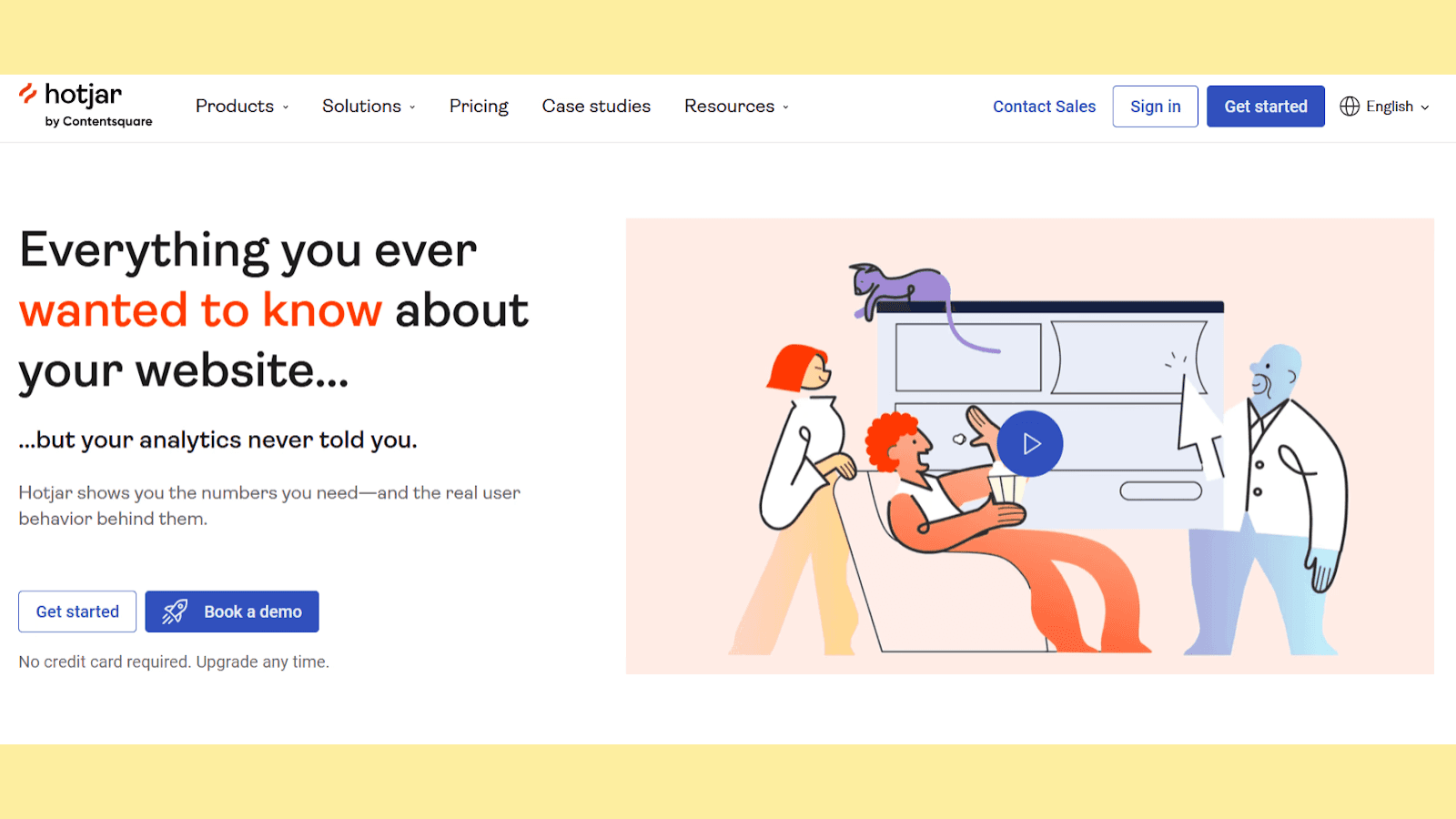
According to Time Magazine, 55% of website visitors spend less than 15 seconds on a site before deciding to stay or leave. Your landing page copy must be clear, compelling, and deliver your message quickly. It must have an attention-grabbing headline that immediately highlights your value proposition, crisp and concise subheadings to further strengthen your case, and action-oriented language without complicated jargon. Always focus on the benefits the user will receive instead of merely highlighting product features.
2. Crisp graphics
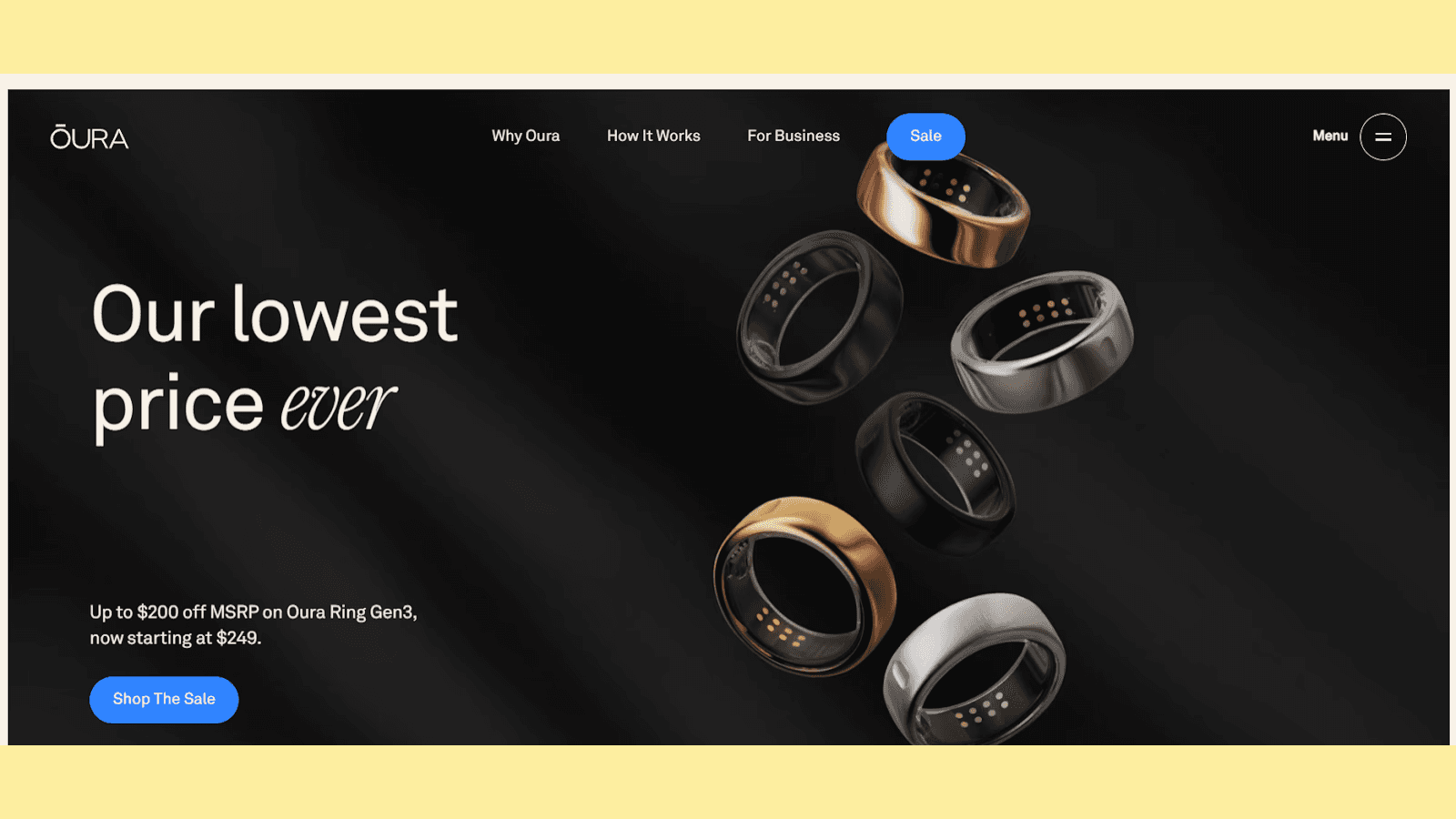
The human can process images in just 13 milliseconds. Edgar Dale's Cone of Experience suggests people only remember 10% of what they read and 30% of what they see. Using clever graphics along with a compelling copy can increase your chances of capturing visitors' attention and communicating your message instantly. Make sure the graphics you use are high-quality, serve a purpose, capture attention without being overwhelming, and do not clutter the landing page.
3. Social proof
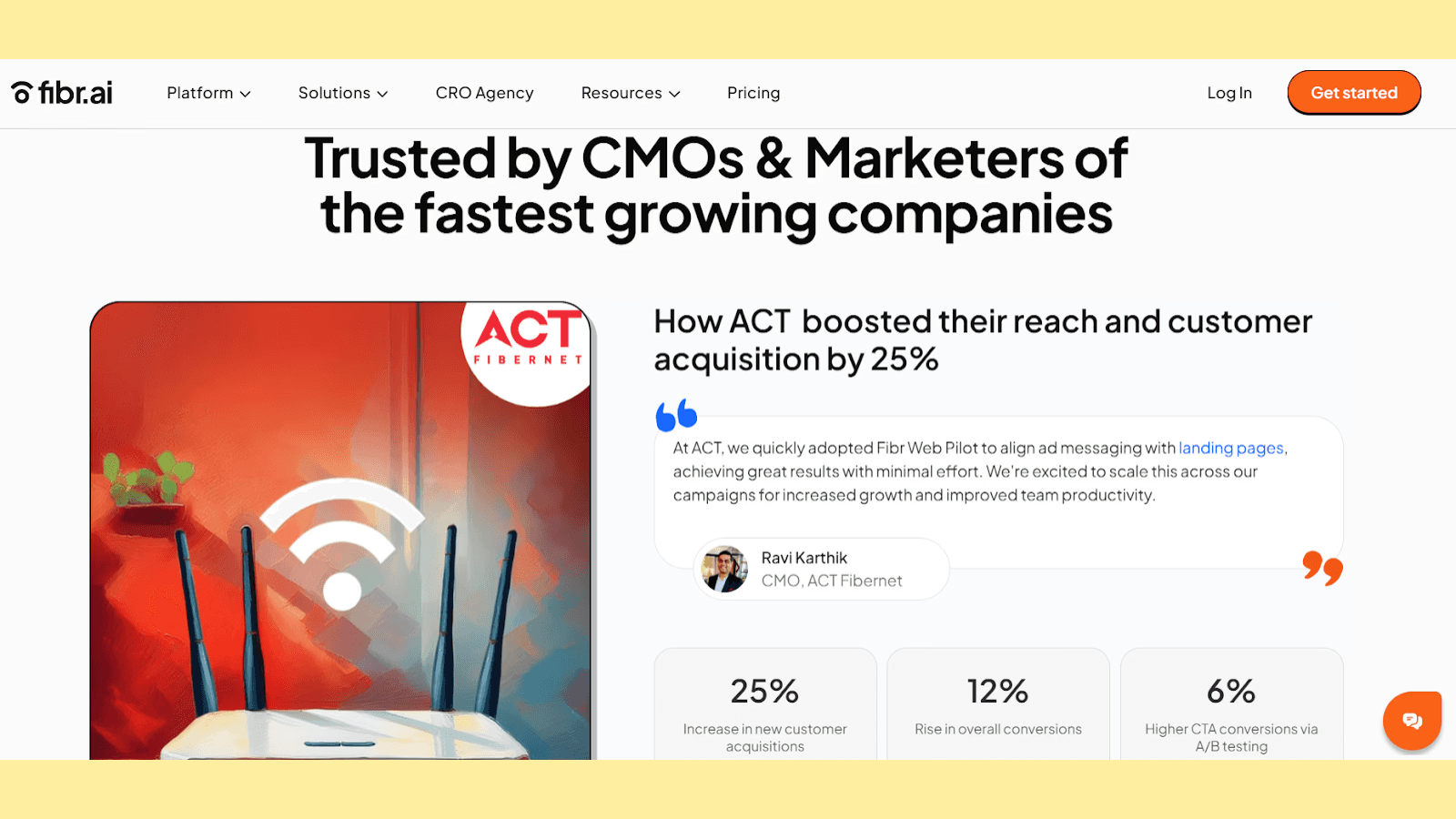
One of the most difficult aspects of converting visitors into customers is convincing them of the value your product offers. The best way to do this is through social proof like customer reviews, testimonials, case studies, and trust badges. 75% of customers read reviews and testimonials before making a purchase decision. Highlight real customer stories and experiences on your landing page to build credibility and encourage visitors to take action. In 2026, the most effective post-click personalization programs automatically surface the most relevant testimonial for each visitor segment based on the ad they clicked.
4. Clear CTA
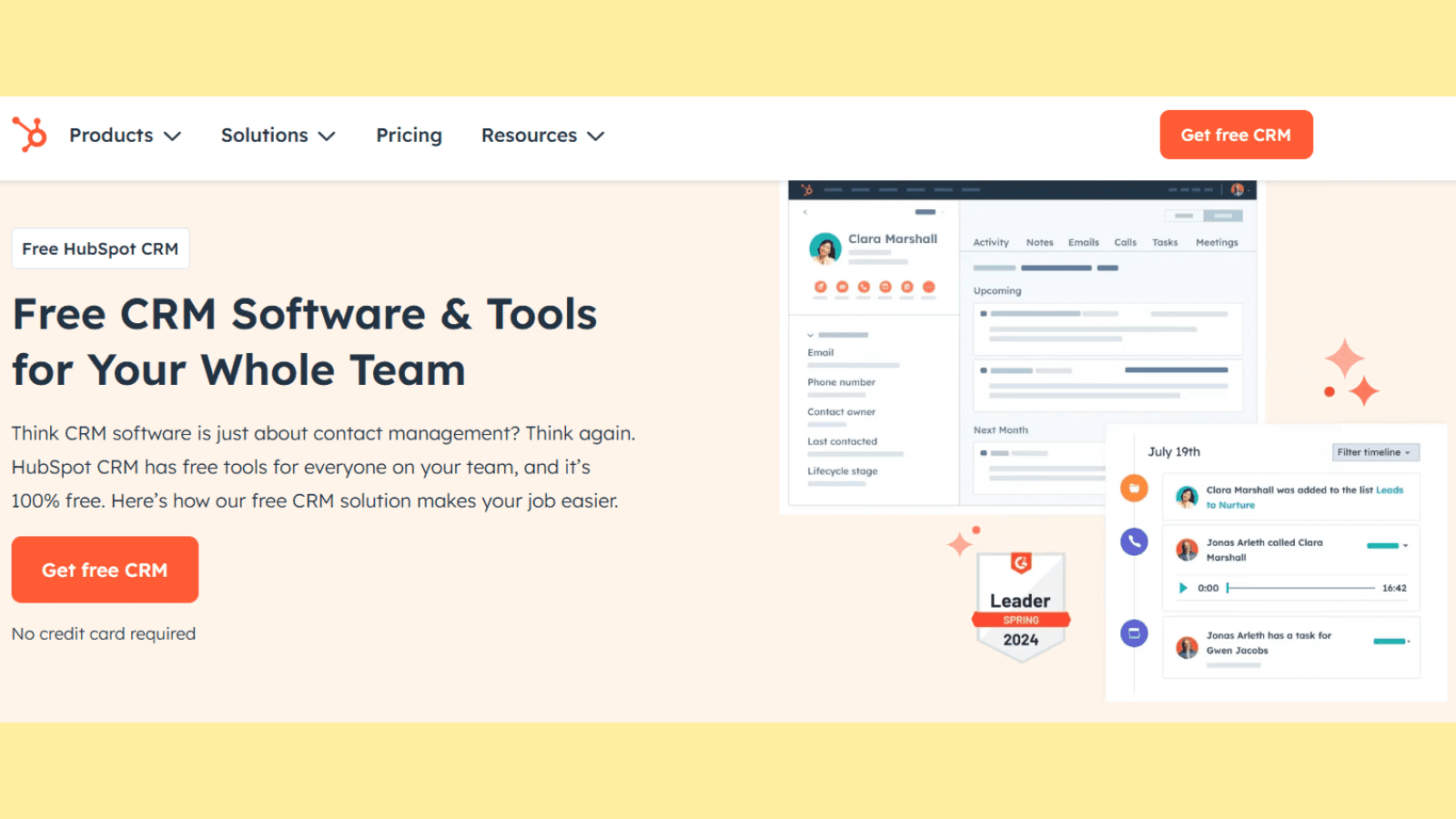
A clear CTA is an essential landing page element as it guides visitors toward the next step in their journey. A HubSpot study reveals that personalized CTAs convert 202% better than pages that use basic CTAs. Beyond personalization, enhance the effectiveness of your CTAs by ensuring they are direct and concise, placing them strategically on the landing page, selecting complementary colors aligning with your branding, and using only one CTA per landing page to avoid confusion. For guidance on aligning CTA copy to ad messaging, see personalized call to action strategies for 2026.
Landing page SEO checklist for improved visibility
No matter how amazing your landing page is, it is useless if it is hidden from search engines. Landing page SEO helps you drive organic traffic to your website, ensuring visitors can find you through millions of pages. For a comprehensive framework, see landing page SEO best practices for 2026.
Here's a comprehensive landing page SEO checklist to boost its visibility:
1. On-page SEO
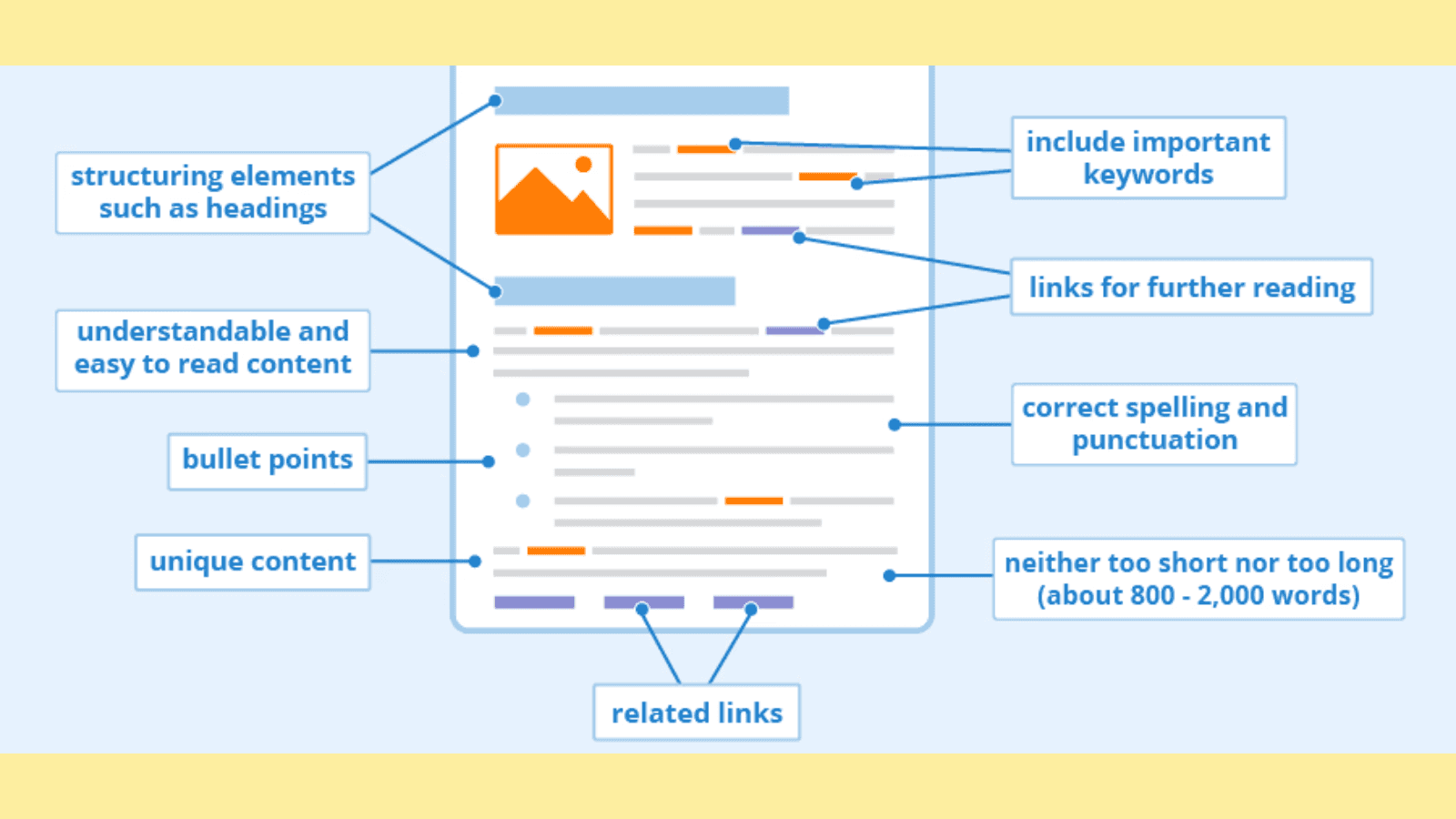
Before publishing your landing page, optimize the following elements:
Keywords: Use relevant, high-intent keywords throughout your landing page, including the headline, body content, and image alt texts. Maintain a natural keyword density and avoid keyword stuffing.
Title tags: Create a compelling title tag to help search engines understand your page's intent. Keep it concise (within 70 characters) and include the primary keyword.
Meta descriptions: Write clear meta descriptions in 150 to 160 characters to summarize the page's content and encourage click-throughs.
Internal linking: Link to relevant pages within your site to enhance navigation and help search engines index your pages.
2. Off-page SEO
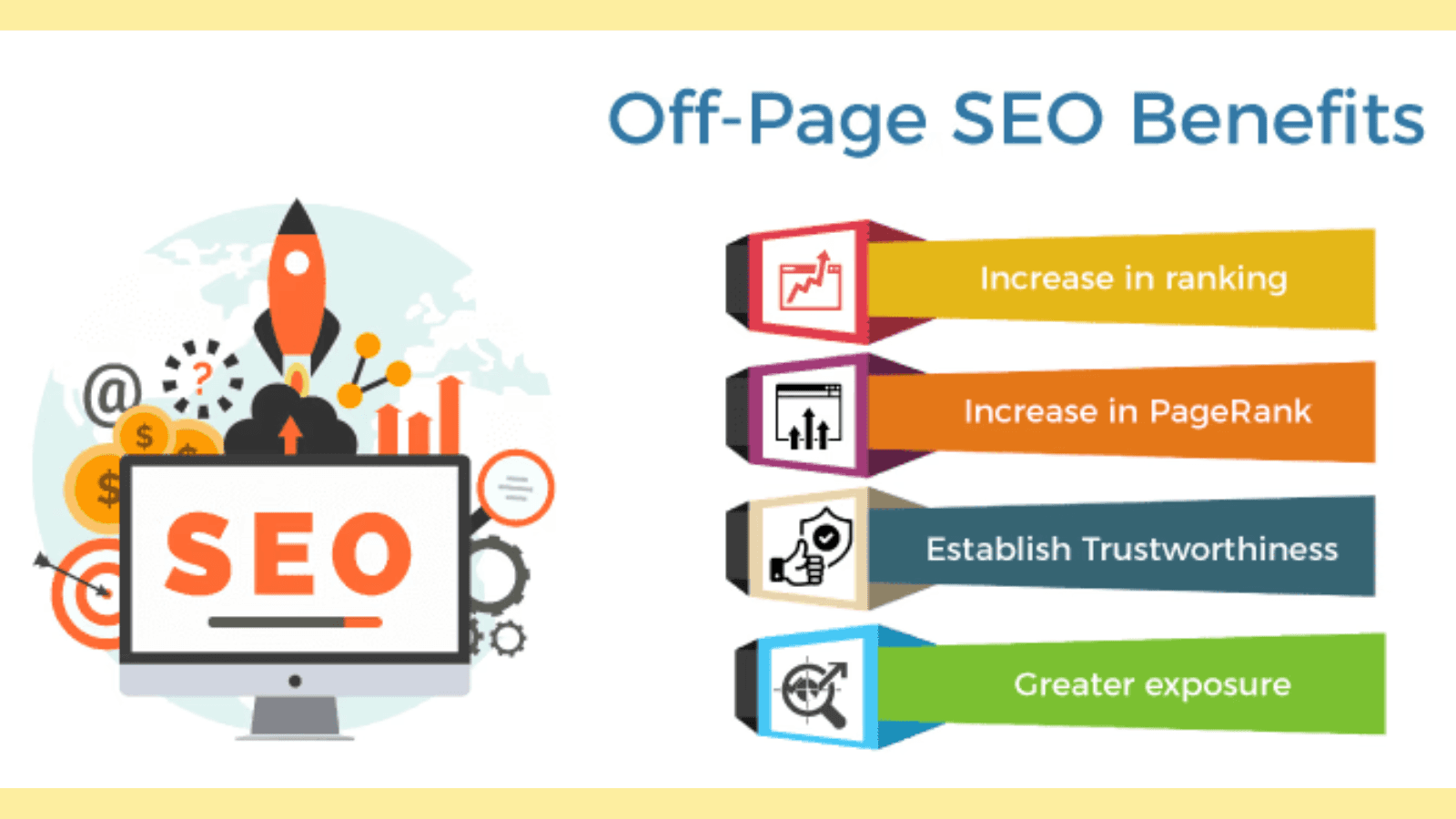
Off-page SEO helps you improve your site's authority and ranking through external factors.
Backlinks: Seek high-quality backlinks from reputable websites as they signal search engines that your page is reliable and relevant. Research suggests 'why posts,' 'what posts,' and infographics receive 25.8% more backlinks than 'how-to posts' and videos.
Domain authority: Besides acquiring backlinks from high DA websites, creating a guest blogging strategy for relevant, high DA websites can help you enhance your own domain authority.
Link building: Actively engage in link-building strategies to acquire more backlinks from reputable websites and improve your search rankings.
Media exposure: Connect with journalists and media outlets or blogs to enhance your brand's exposure and drive organic traffic.
7. Technical SEO
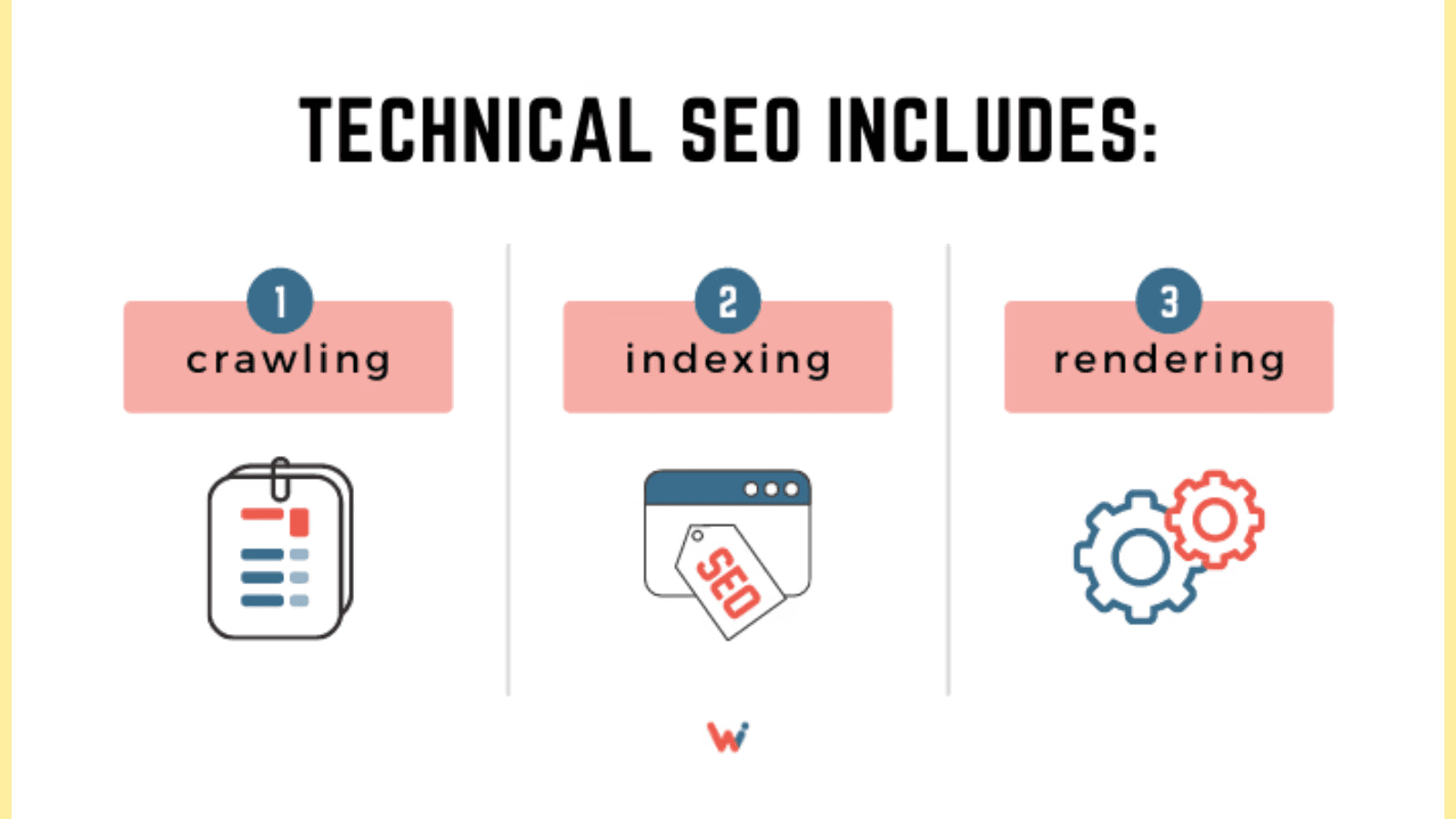
Do not overlook technical SEO to help search engine crawlers easily read your content.
Page speed: Google found that 53% of users abandon pages that take longer than 3 seconds to load. Use tools like Lighthouse or Google PageSpeed Insights to monitor and improve speed.
Mobile optimization: With mobile devices making up over 50% of web traffic, make sure your landing page is responsive and user-friendly on all devices.
URL structure: Use clean, concise, and descriptive URLs with relevant keywords to improve SEO.
Sitemap: Add your landing page to the sitemap to enable search engines to discover and index your pages more efficiently.
Schema markup: Implement schema markup to help search engines understand your content and improve search engine visibility.
Technical SEO audit: Conduct regular technical SEO audits to pinpoint issues like broken links, crawl errors, or redirects that can harm your site's performance.
Content and messaging checklist for conversions
Your landing page's content and messaging play a major role in converting website visitors into customers. A clear message that resonates with your audience and acknowledges their pain points can grab their attention and persuade them to take action. Review landing page best practices for a full 2026 guide to content that converts.
1. Create a buyer's persona
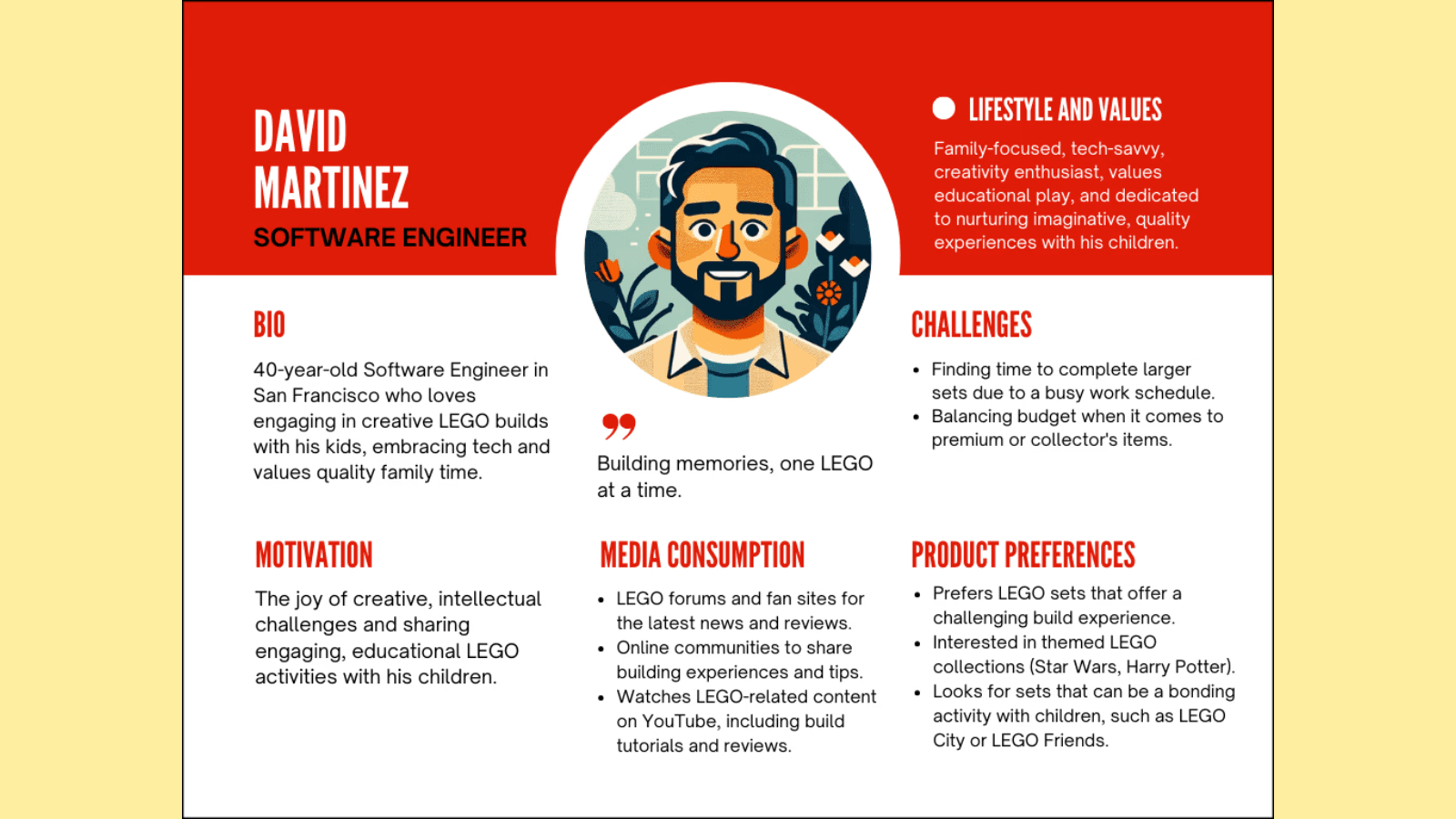
Before crafting content for your landing page, it is important to understand who you are speaking to. A buyer's persona is a fictional representation of your ideal audience, their pain points, preferences, and motivations. It ensures your message is targeted and speaks directly to your audience's needs, nudging them to the next step in the customer journey. To create a buyer's persona: evaluate your existing customers to understand similarities such as industry, revenue, and job position; identify the specific issues your customers face and the factors that influence their purchase decisions; and craft a profile of your ideal customer and map out the potential steps they may take in their customer journey.
2. Write a short yet effective headline
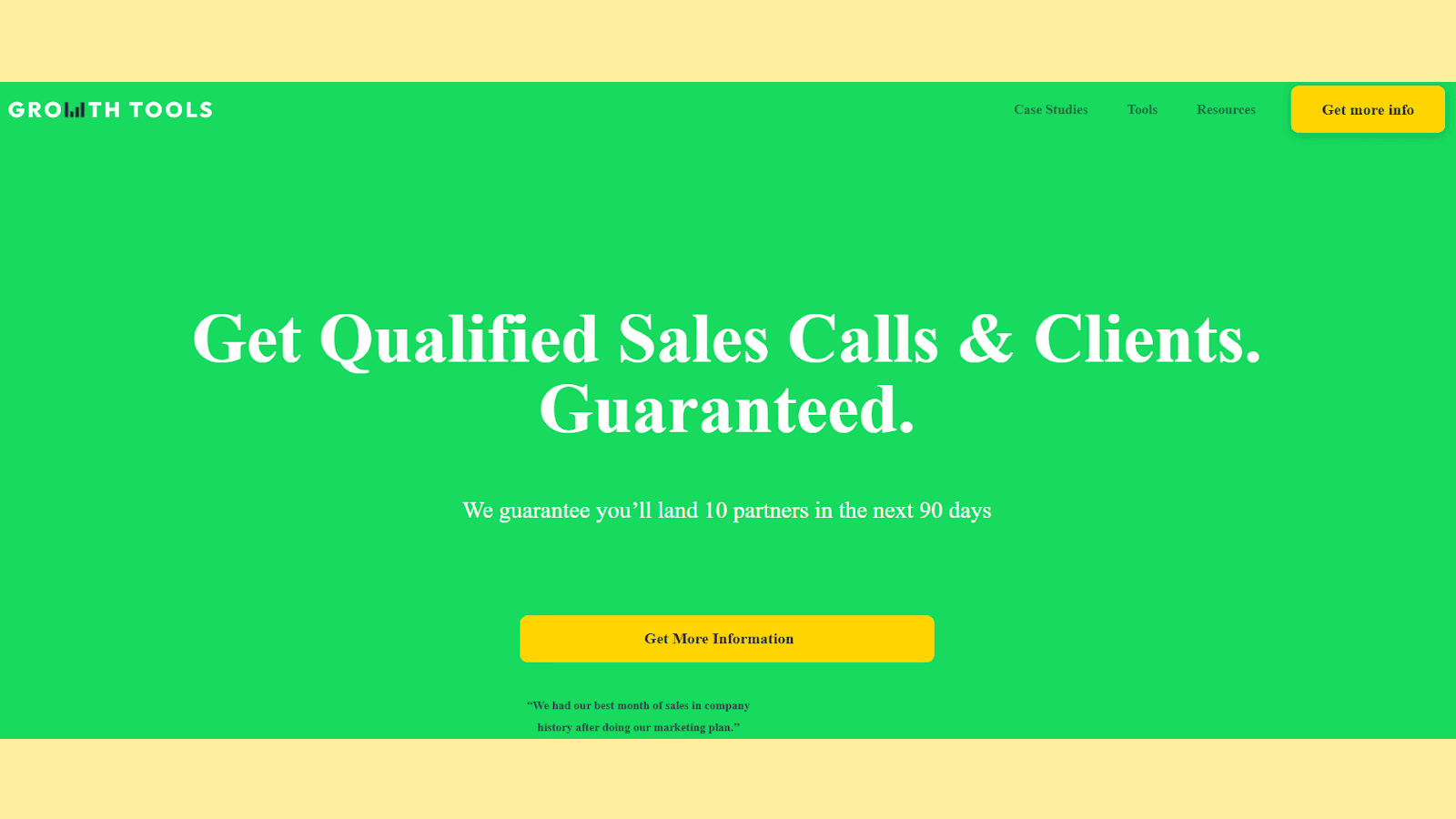
The headline is the first thing visitors will see on your landing page. With only 8 seconds to grab a visitor's attention, it is crucial to create a crisp yet impactful headline that immediately conveys your message. Keep it short (ideally under 10 words), avoid jargon and technical terms, highlight a benefit for the user, evoke curiosity to keep them reading, and address your audience's pain points.
3. Keep the content easy to understand
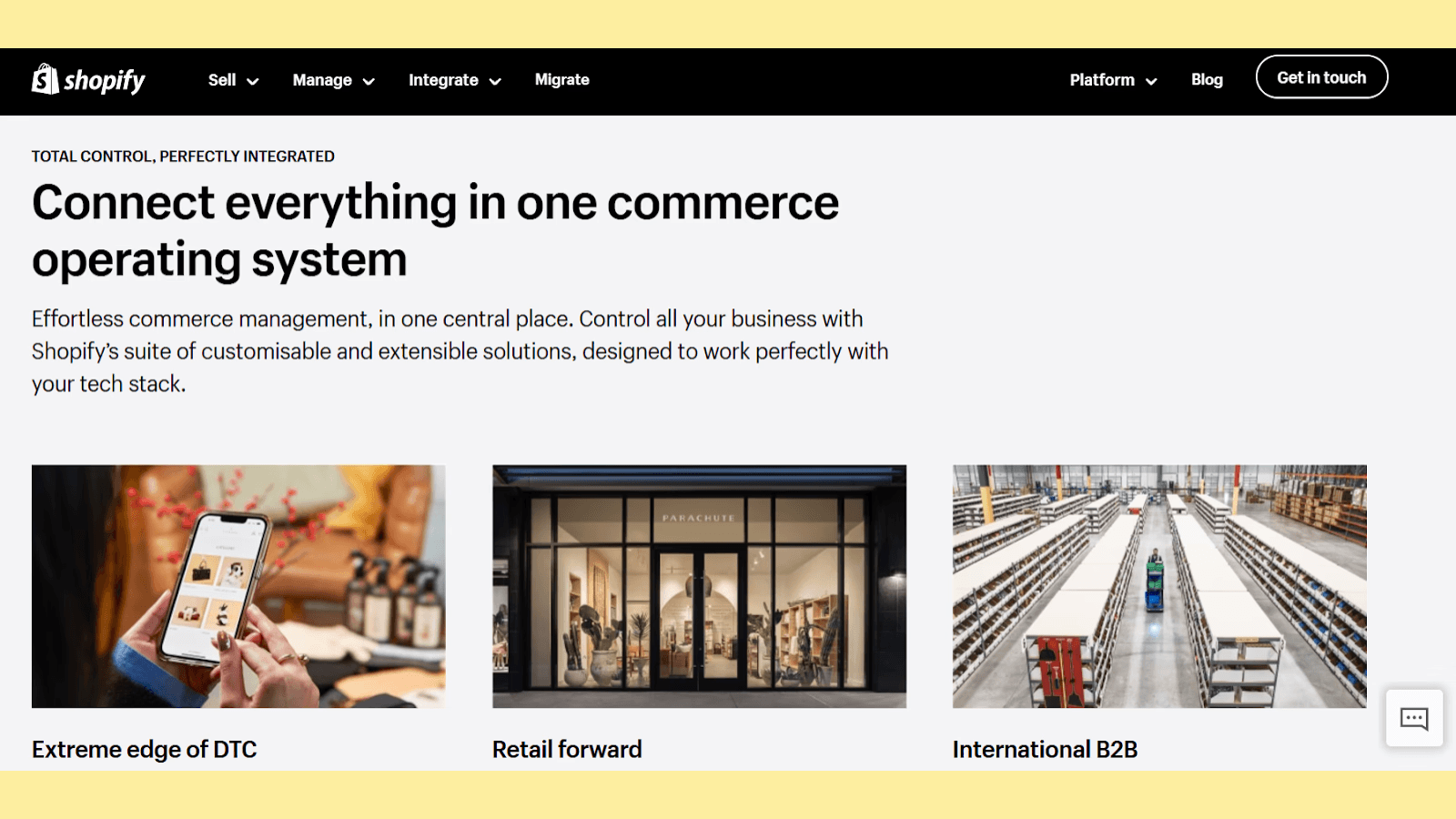
The clearer and more direct your message is, the better your chances of conversion are. 48% of website visitors leave a landing page without engaging with any marketing material. A good strategy is to highlight the potential benefits your customers can get from the product and acknowledge their pain points. Make content easy to understand by avoiding jargon, using crisp sentences, improving scanability with subheadings and bullet points, and prioritizing key information over minor details.
4. Match messaging with the ad copy
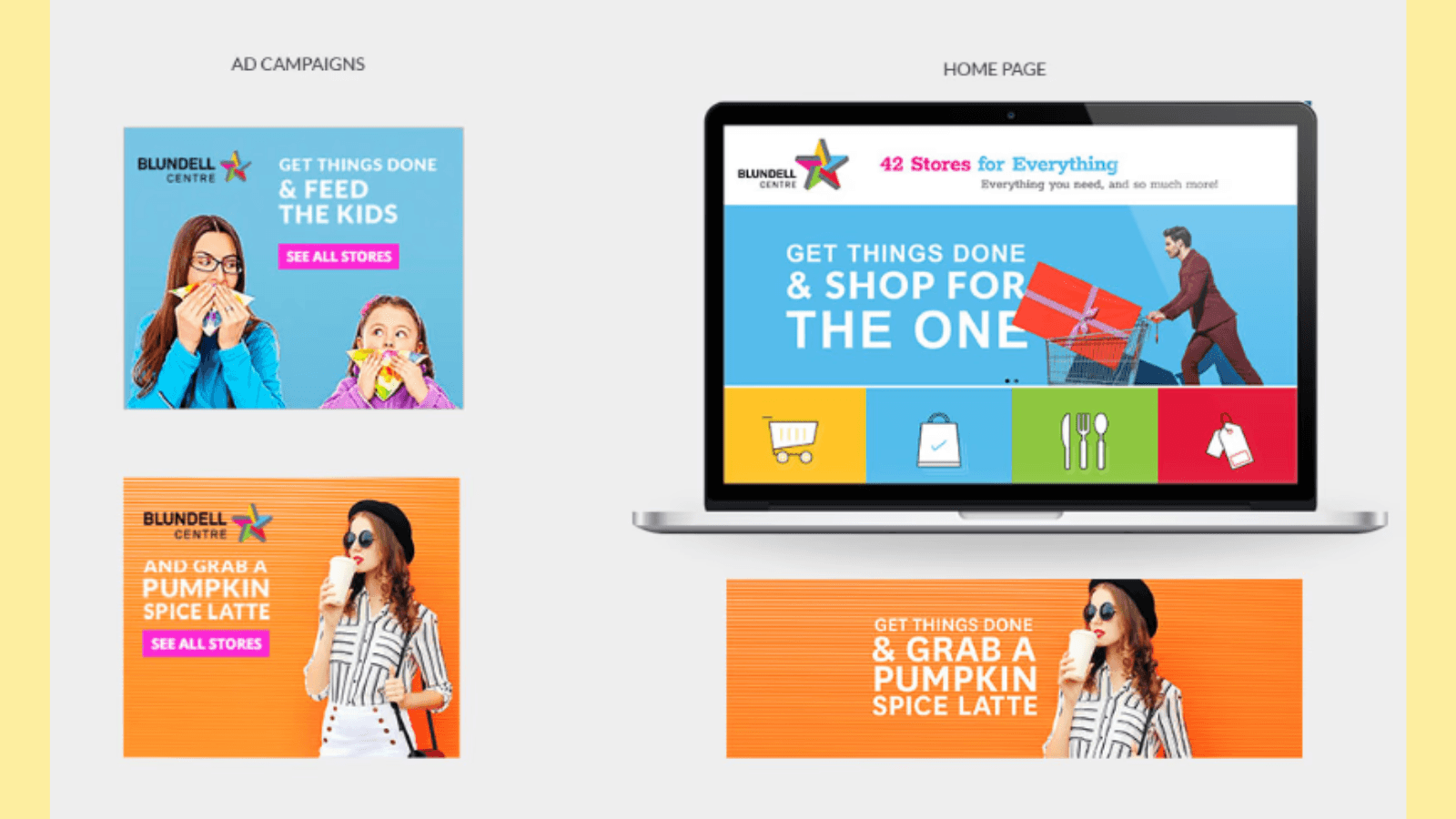
If your ad copy promises one thing but your landing page offers something completely different, visitors will not trust the page, increasing your bounce rate. Make sure the landing page mirrors the content and messaging of the ad, use the same graphics, colors, and tone, and ensure the offer in your ad is exactly what visitors find when they reach your landing page. This principle of message match is now the single highest-leverage conversion improvement available to most paid traffic programs in 2026.
5. Improve formatting
Source
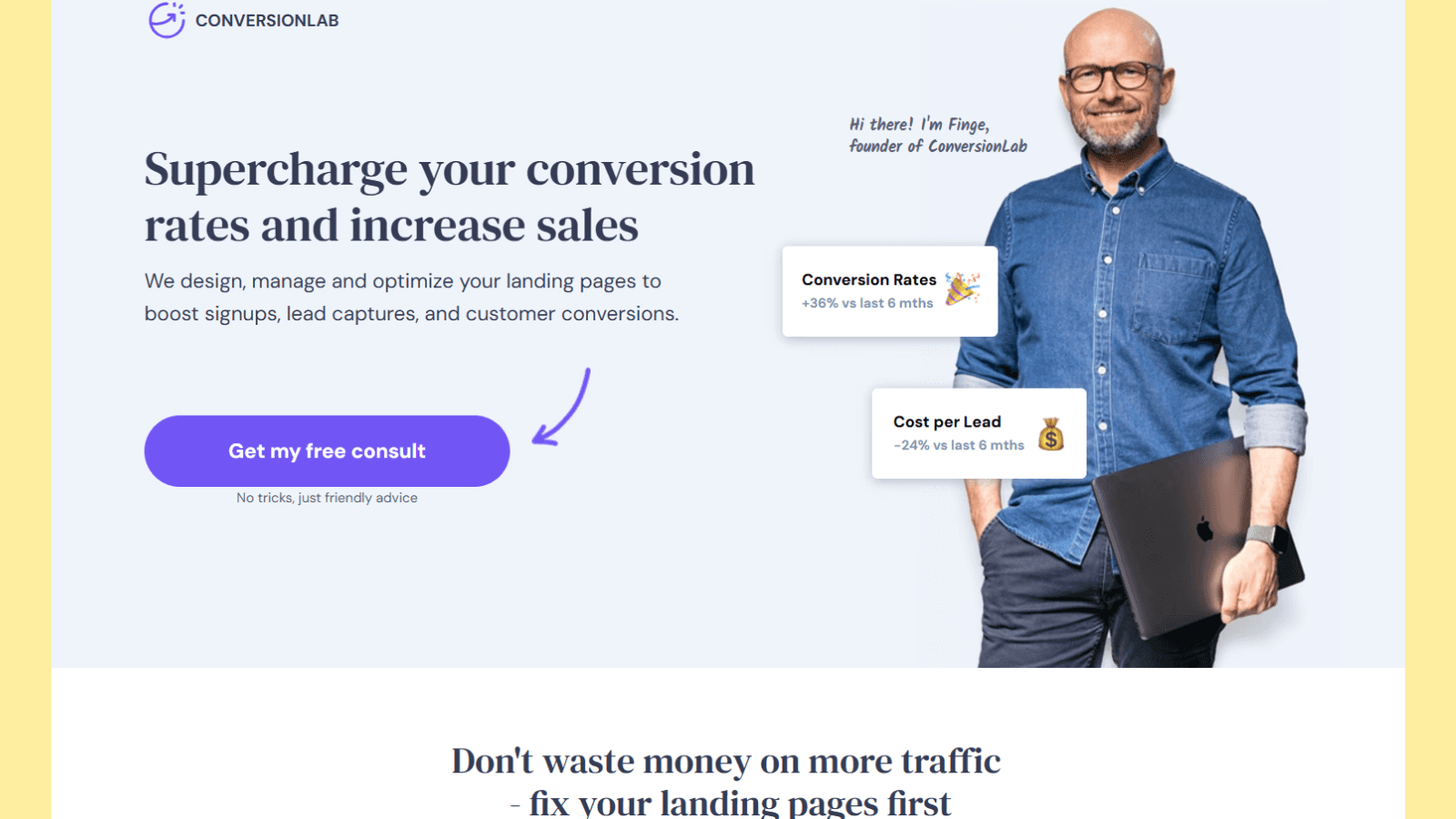
No matter how valuable your content is, if it is just a block of text, visitors will likely leave without reading a word. Use clear H1, H2, and H3 tags; use visual aids like graphs or infographics to simplify complex data; break text into smaller paragraphs to enhance scanability; and use a clean font and adequate line spacing to reduce visual strain.
Design and Layout Checklist for User Experience
According to an Adobe study, 59% of consumers prefer beautifully designed pages over simple ones. If your landing page is unattractive or difficult to navigate, visitors may stop engaging.
Follow this design and layout checklist to ensure your customers have a seamless user experience on your site:
1. Maintain a consistent style
Source
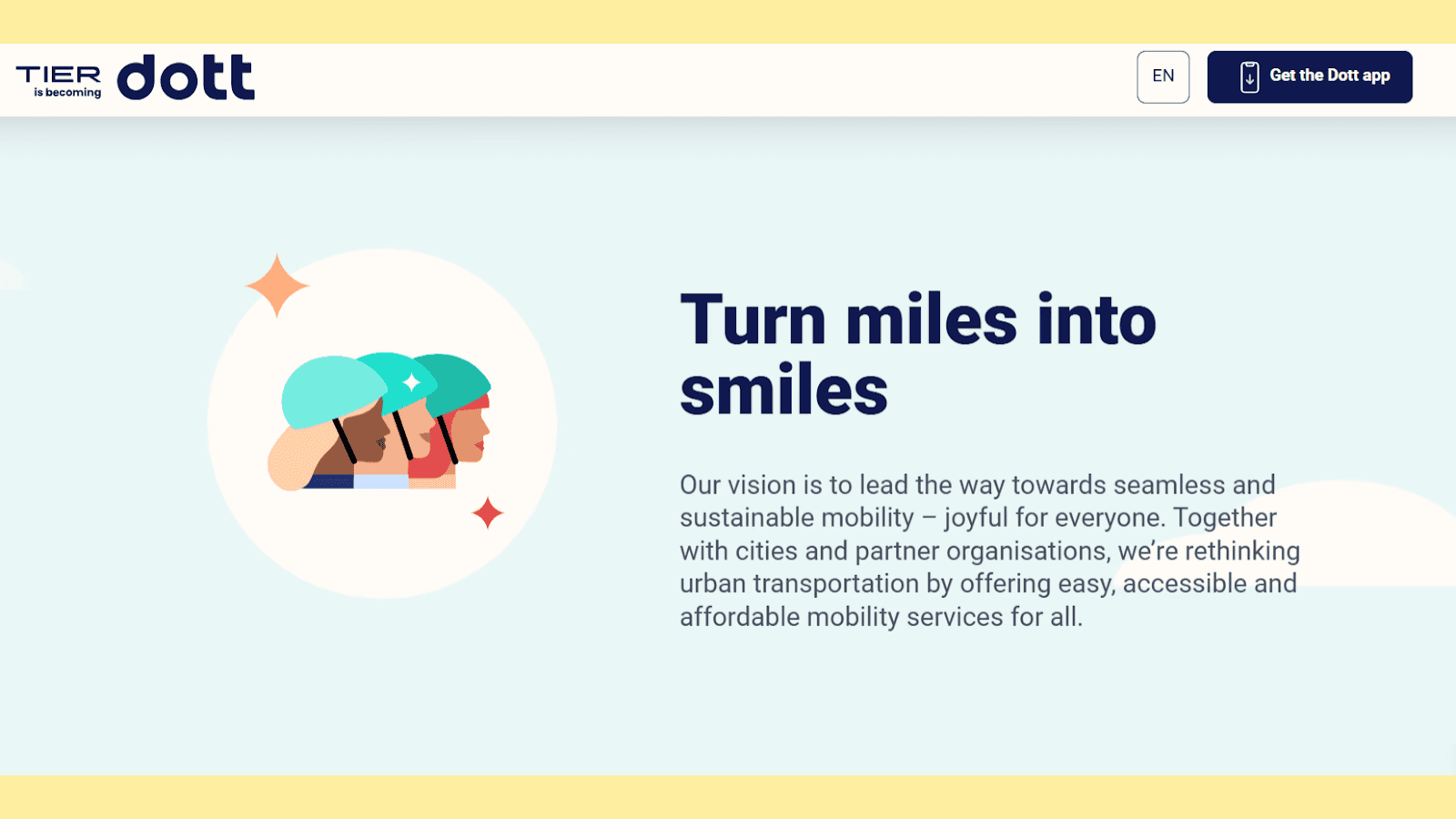
Maintaining a consistent design style throughout your landing page not only looks professional but also boosts user trust and engagement, and helps create a positive brand identity. Use a standardized font palette and size for headings, body text, and CTAs; stick to a standardized color palette that reflects your brand identity; maintain consistency across images and icons; and make smart use of white space for a clean layout.
2. Simplify Navigation
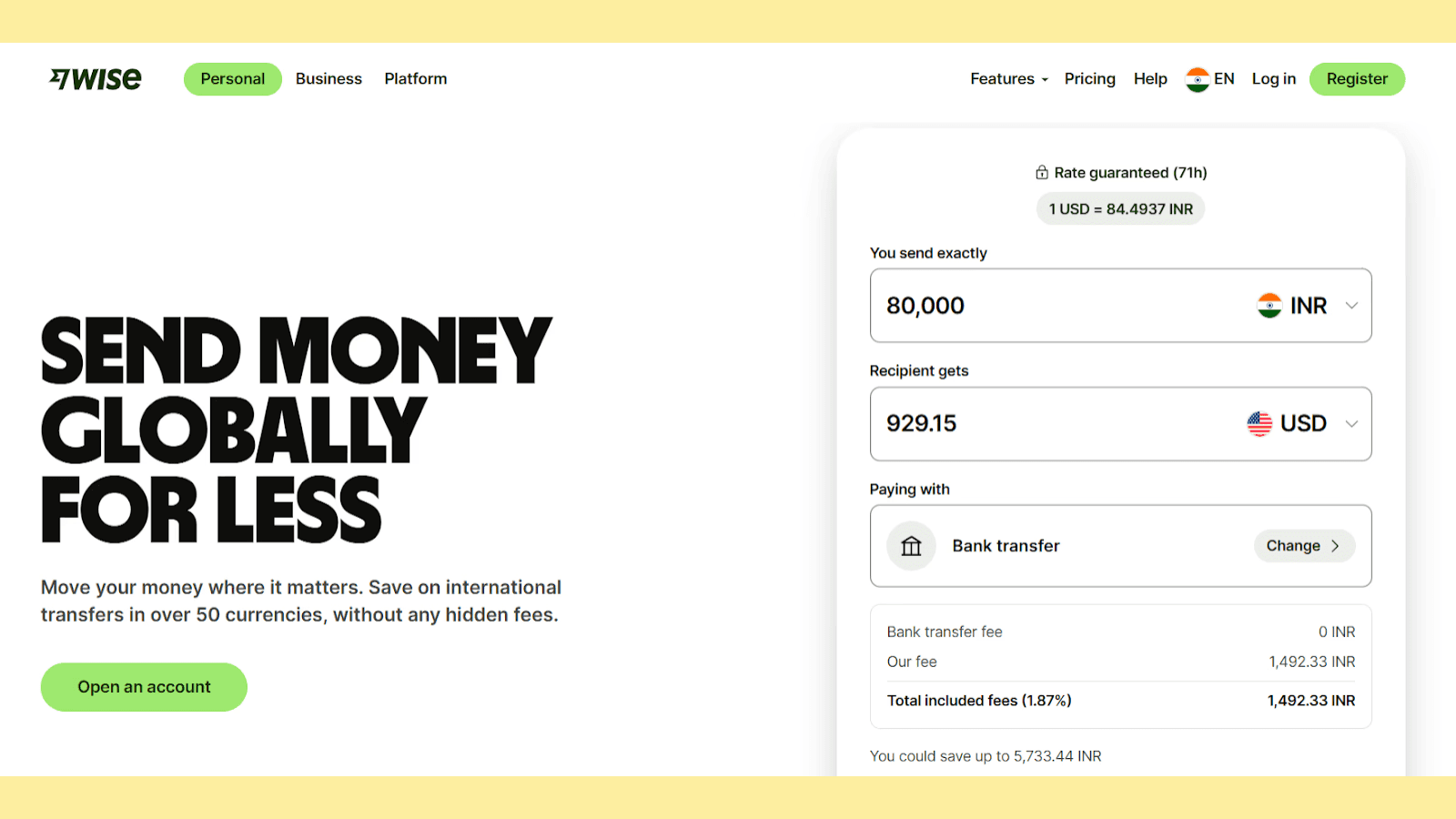
According to a survey conducted by Clutch, 94% of users say easy navigation is the most useful feature of a website. Easy navigation ensures users are focused on your value proposition and know what action to take. Keep navigation minimal by avoiding unnecessary links, use action-oriented labels for CTAs, and place all important information including your headline, value proposition, and CTA above the fold so visitors can read them without scrolling.
3. Reduce the number of fields in forms
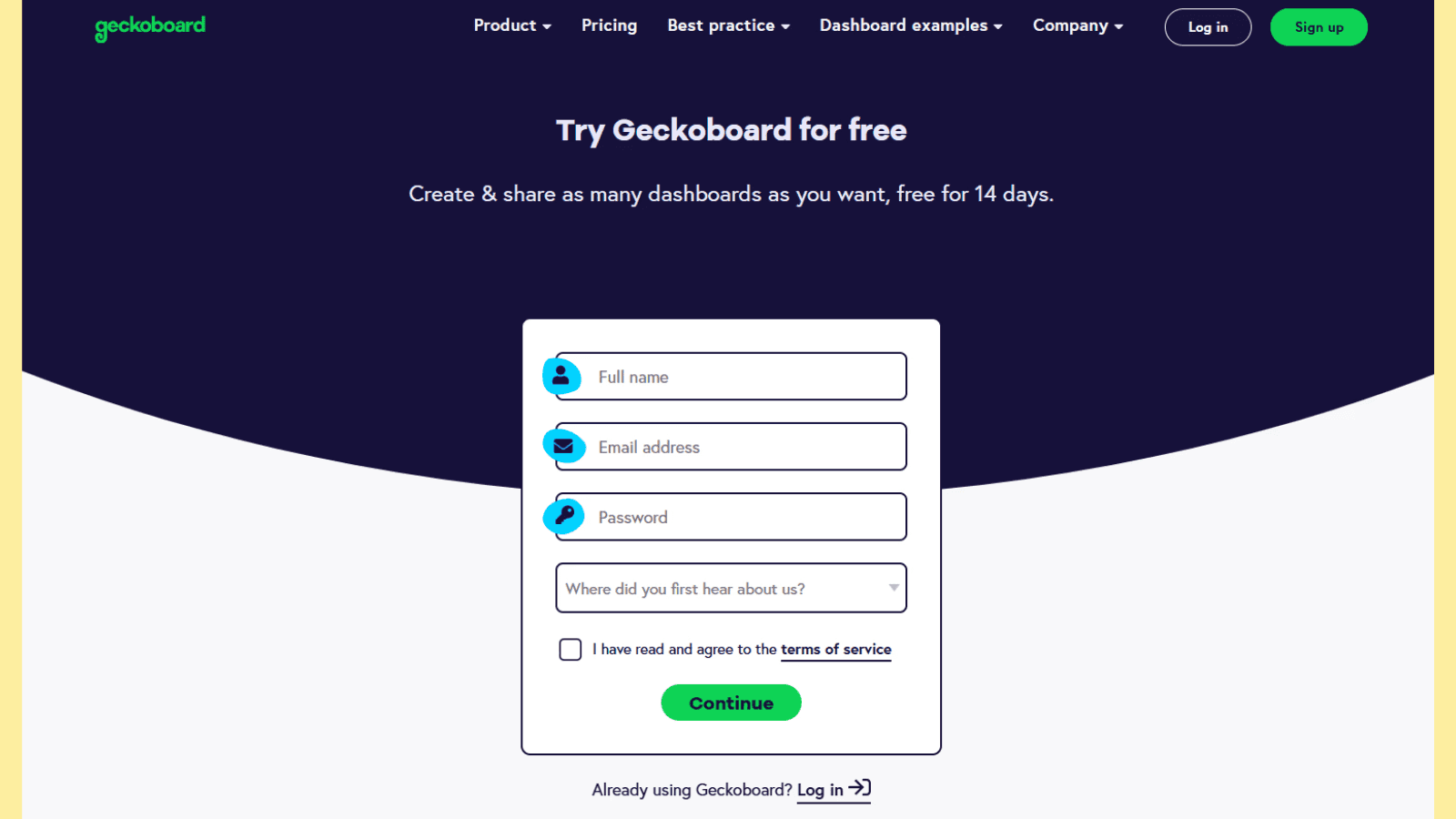
Reducing the number of fields in forms is a small but impactful change that can significantly boost landing page conversions. HubSpot research reveals forms with three fields had double the conversions compared to those with 10 or more fields. Ask only for essentials (such as name and email address for early-funnel visitors), leverage browser autofill functionality, and redirect users to a customized Thank You page after form submission to make an upsell or place a second CTA.
Technical Checklist for Landing Page Compliance
A critical yet often overlooked aspect of landing page optimization is ensuring technical and legal compliance. With regulations tightening globally in 2026, it is essential to maintain compliance to avoid hefty penalties and legal repercussions. This is especially critical for financial institutions, healthcare providers, and SaaS companies operating in regulated markets.
1. Provide links for the privacy policy and terms and conditions
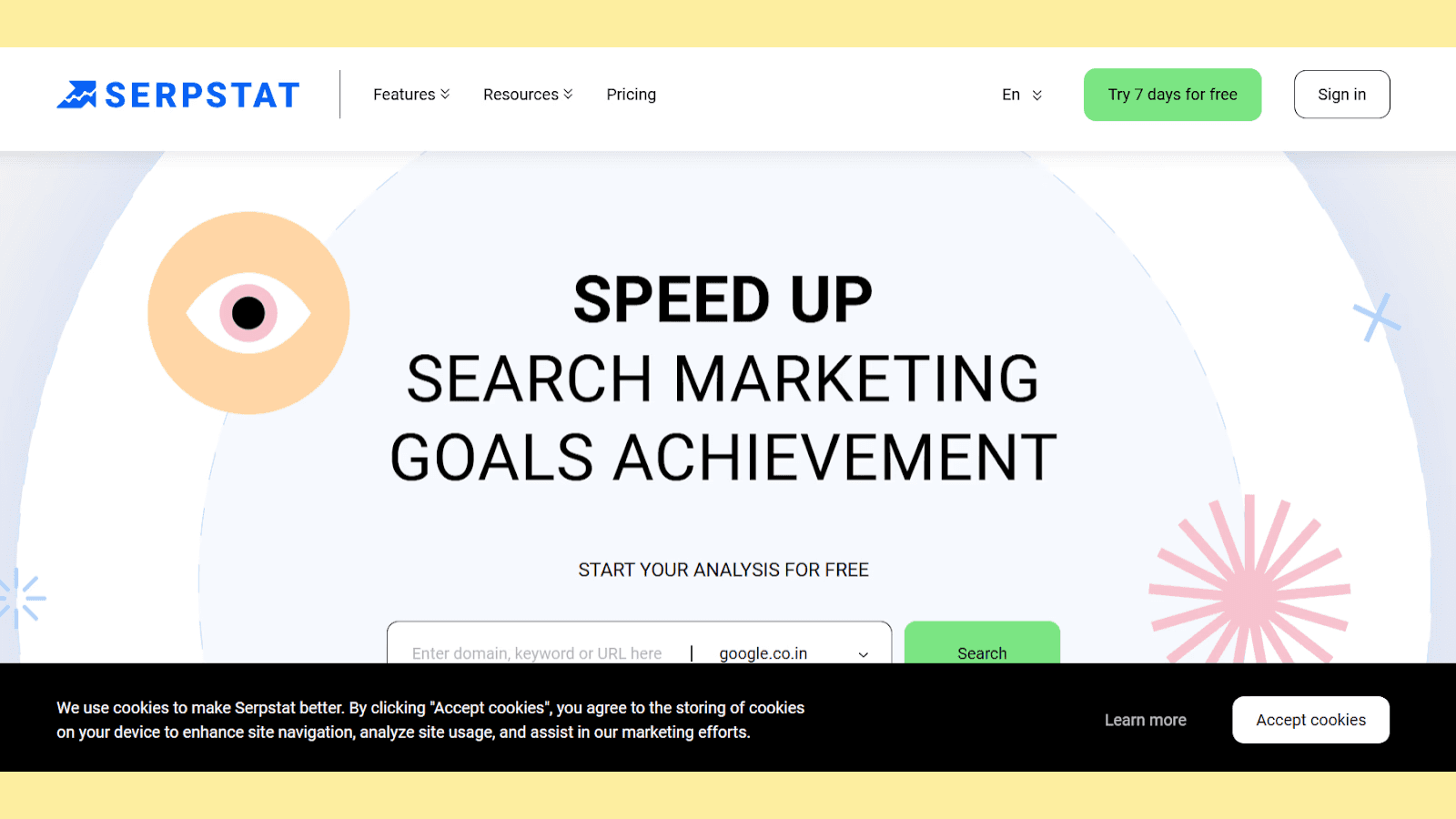
You must include links to the privacy policy and terms and conditions on your landing page. It is both a legal requirement and helps build customer trust. Depending on where you are operating, you must comply with data protection laws like the General Data Protection Regulation (GDPR), the California Consumer Privacy Act (CCPA), and FTC ad regulations. Place these links prominently in the footer of your landing page and use simple language to build customer trust.
2. Make the landing page accessible for all users
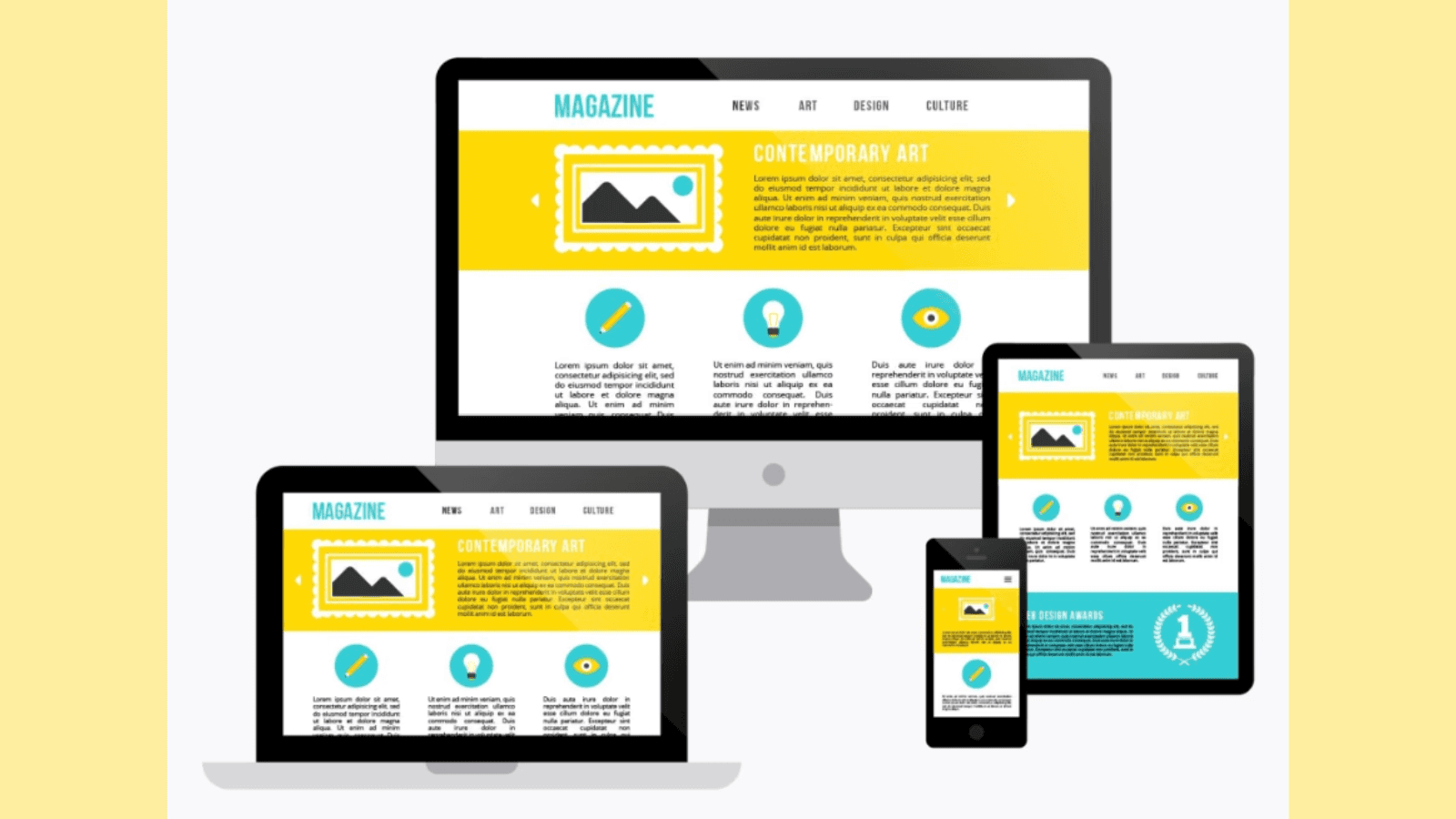
You must abide by the Americans with Disabilities Act (ADA) and the Web Content Accessibility Guidelines (WCAG) to ensure that users with disabilities can engage with your landing page effectively. Ensure keyboard accessibility for all elements including forms and CTAs; use semantic HTML with proper tags for headings, lists, and buttons; create responsive layouts that adapt to different screen sizes; and add descriptive alt text for all images.
3. Display compliance badges
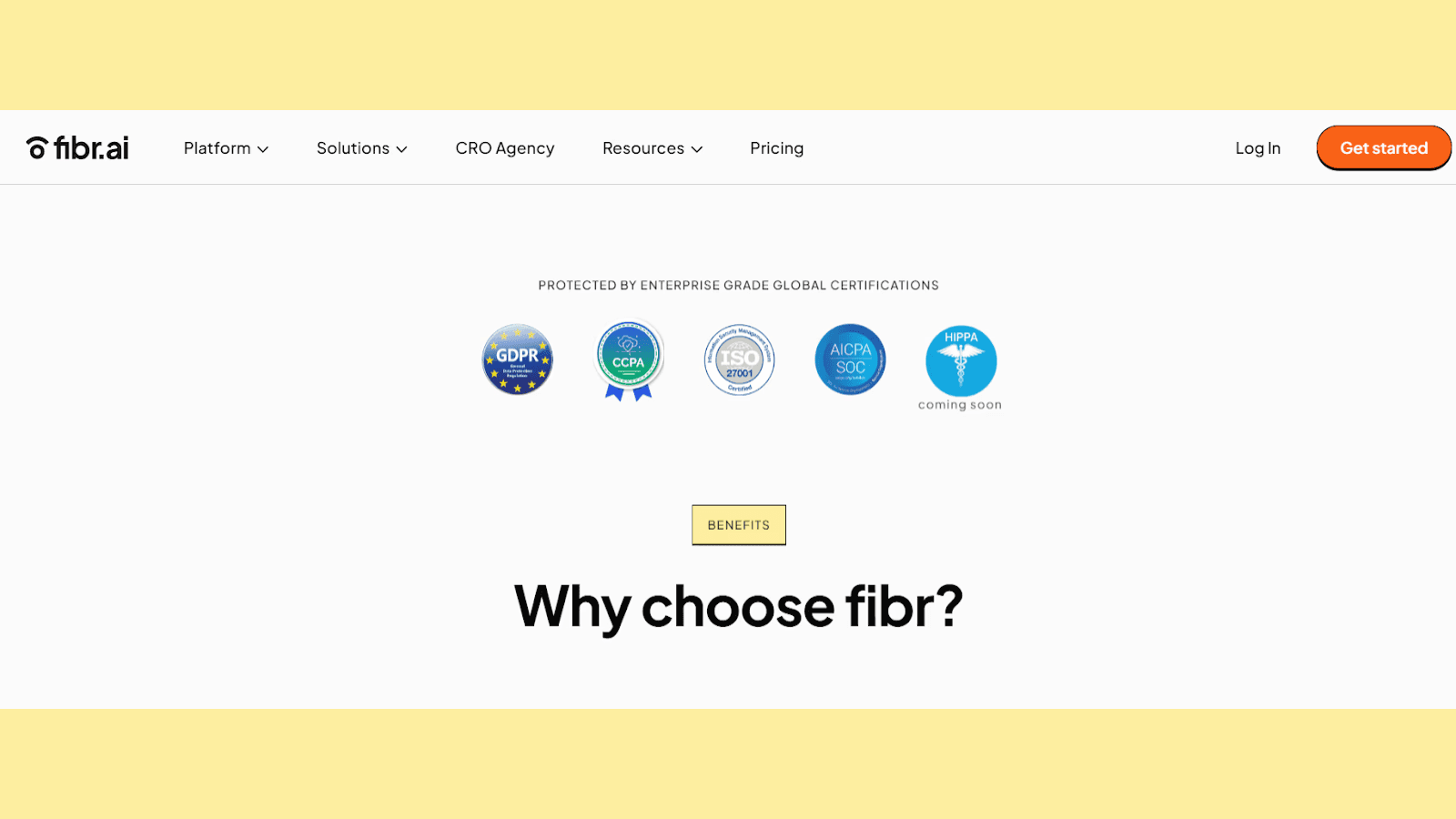
Display compliance badges on your landing page to showcase your commitment to data security and build user trust. Elements such as SSL certificates and trust seals signal users that your site is credible, secure, and compliant with industry standards.
For example, websites without HTTPS can deter visitors. An SSL badge confirms that data exchanged between the user and your website is encrypted, reducing visitor hesitation. Similarly, if you've received earned trust seals from third-party entities like Norton, McAfee, or TRUSTe, display them prominently on the landing page to boost user confidence.
4. Allow users to opt-in/opt-out
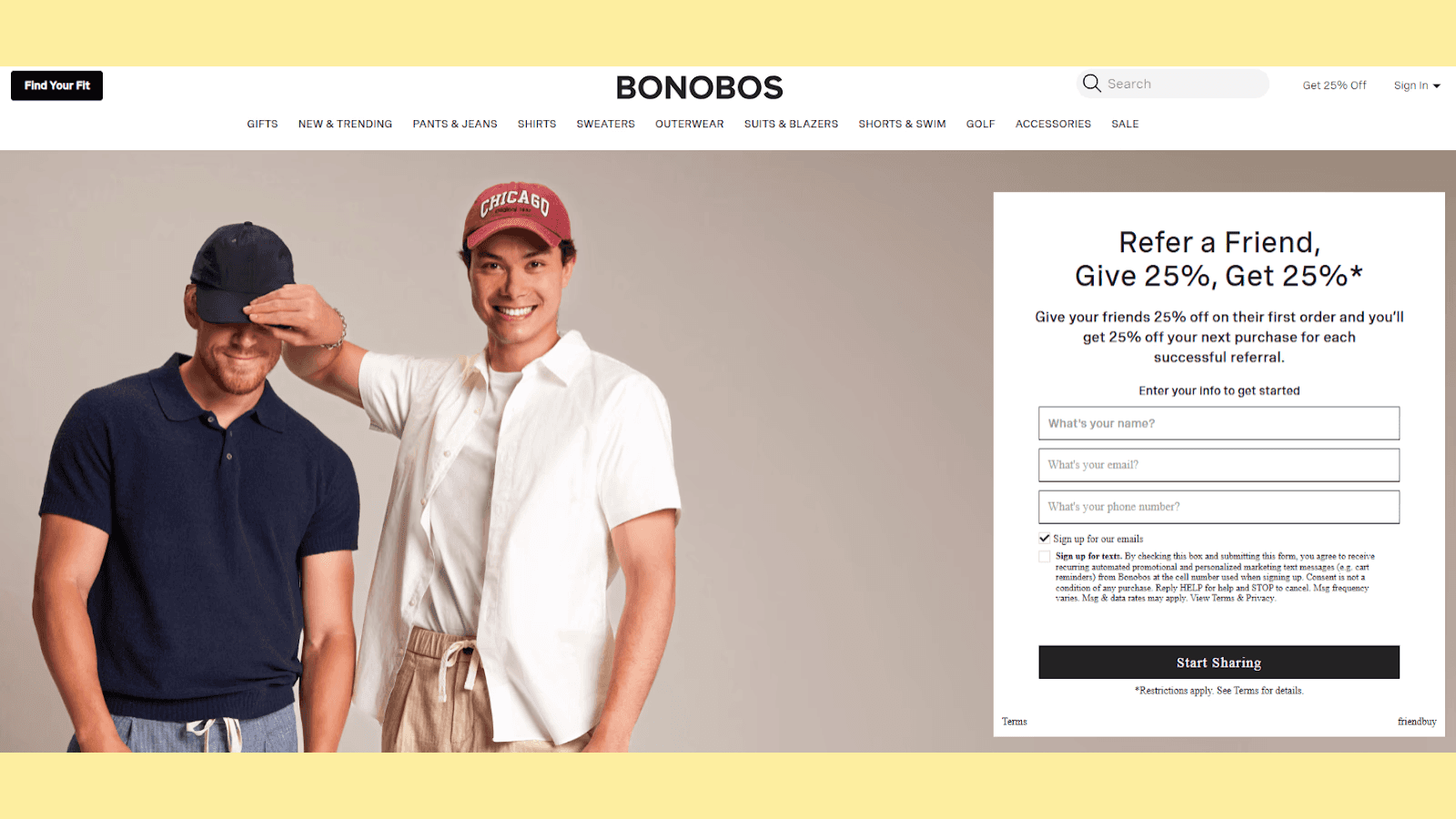
Providing opt-in and opt-out mechanisms on your landing page is a mandatory requirement under the GDPR and CCPA. Non-compliance fines under GDPR can be up to 20 million euros or 4% of annual turnover, whichever is higher. Use simple checkboxes to obtain consent; opt for granular consent forms that let users consent to specific elements like newsletters or email alerts; ensure users can easily withdraw their consent at any time; and use simple language to help users understand what they are consenting to.
Top Software Platforms Offering Landing Page Personalization for Financial Institutions
Financial institutions face unique landing page optimization challenges in 2026: strict compliance requirements, diverse customer segments ranging from first-time account openers to high-net-worth investors, and the need to match specific product offers to specific audience intents without generic messaging. The platforms below lead the category for financial services landing page personalization, evaluated on personalization depth, compliance posture, and ease of deployment for regulated marketing teams.
Platform | Best For | Key Features for Financial Institutions | Compliance |
|---|---|---|---|
Fibr AI | AI-driven personalization at scale for financial campaigns | Ad group to page matching, city and product-specific variants, CRM integration, agentic A/B testing, LLM traffic detection, no-code deployment | SOC 2, ISO 27001, GDPR, CCPA |
Instapage | Google Ads-connected personalization for financial services | Ad-to-page mapping by campaign and keyword, dynamic text replacement, AMP support, built-in A/B testing, compliance-friendly templates | GDPR, CCPA-ready |
Unbounce | No-code landing page personalization for fintech | Smart Traffic AI routing, dynamic text replacement, mobile-optimized templates, A/B testing, CRM integrations | GDPR, CCPA-ready |
Mutiny | Account-based personalization for B2B financial services | Firmographic-based page personalization, CRM-connected segments, no-code editor, financial sector templates | GDPR, CCPA-ready |
HubSpot | CRM-integrated landing pages for financial institutions | Responsive templates, A/B testing, lead scoring, CRM audience personalization, compliance tracking | GDPR, CCPA, HIPAA-capable |
1. Fibr AI
Fibr AI is the most purpose-built platform for financial institution landing page personalization in 2026. For a bank or NBFC running Google Search campaigns across multiple cities and products, Fibr AI's ad personalization layer automatically generates city-specific and product-specific landing page variants matched to each ad group without developer involvement. A visitor clicking a 'home loan in Chennai' ad lands on a page with Chennai-specific rates, Tamil-language trust signals, and a form pre-seeded with their location data. All personalization operates within Fibr AI's SOC 2, ISO 27001, GDPR, and CCPA compliance posture.
In 2026, Fibr AI's agentic personalization layer also detects visitors arriving from AI assistants including ChatGPT, Perplexity, Claude, and Gemini via LLM-based personalization, serving research-intent-matched experiences to this fast-growing traffic category. For financial institutions where trust and relevance are the primary conversion drivers, matching every touchpoint to the visitor's specific intent is now achievable without engineering support.
2. Instapage
Instapage is a strong choice for financial services teams running high-volume Google Ads campaigns. Its AdMap feature connects individual campaigns, ad groups, and keywords to specific landing page variants, making it easy to identify gaps where multiple ads are sending traffic to the same generic page. Dynamic text replacement personalizes headlines in real time to mirror the visitor's exact search query. AMP landing page support ensures pages load in under one second on mobile, which is critical for financial services visitors who are highly sensitive to slow load times and exit quickly if pages fail to load.
3. Unbounce
Unbounce is the most accessible no-code option for fintech and financial services teams that need to deploy and test landing page variants quickly without waiting for developer resources. Smart Traffic automatically routes mobile and desktop visitors to the variant most likely to convert based on device, location, and referral source. The platform's compliance-friendly template library includes terms and conditions links, opt-in checkboxes, and privacy policy footer placement built into the default designs, reducing the compliance setup burden for regulated teams.
4. Mutiny
Mutiny specializes in account-based personalization for B2B financial services, such as corporate treasury products, enterprise lending, and institutional investment platforms. It connects to your CRM and ad platforms to serve different landing page content to visitors from specific target accounts, industries, or company sizes. For B2B financial services campaigns where a single ad might be seen by an SME and a Fortune 500 company, Mutiny ensures the post-click experience is relevant to each account's specific financial context and decision-making stage.
5. HubSpot
HubSpot's landing page builder provides CRM-connected personalization that shows different content to returning visitors based on their known attributes: product interest, lifecycle stage, or existing relationship with the institution. For retail banks and insurance providers managing long customer lifecycle programs, HubSpot's integration between landing page content, lead scoring, and follow-up automation creates a seamless post-click to nurture workflow. See Fibr AI pricing for a direct comparison of investment against documented conversion results.
An optimized post-click landing page is not just a well-designed page: it is a page engineered to continue the exact conversation the visitor started when they clicked an ad. Every element must reinforce the promise made in the ad, reduce hesitation, and make the conversion action feel like the natural next step. In 2026, the post-click experience is the most expensive gap in most paid traffic programs, and closing it requires getting these five components right.
Component | What It Must Do | 2026 Best Practice | Impact If Missing |
|---|---|---|---|
Headline | Mirror the exact ad promise | Match keyword or ad group copy with dynamic text or AI variant | High bounce rate; message mismatch |
Value Proposition | Deliver specific benefit from ad | Segment by persona, source, and product | Visitor confusion; low engagement |
Social Proof | Build trust quickly | Segment-matched testimonials and logos | Low trust; longer decision time |
Form | Convert without friction | 3 fields max for cold traffic; progressive for warm | High abandonment rate |
CTA | Match funnel stage and ad intent | Personalized verb + offer; never generic 'Submit' | Conversion hesitation; CTA blindness |
Component 1: Headline That Mirrors the Ad Promise
The headline is the first element that confirms or breaks the visitor's trust after the click. It must mirror the specific value proposition from the ad. A visitor who clicked 'Personal Loan Approved in 24 Hours' and sees 'Welcome to Our Financial Services Page' experiences an immediate message mismatch that triggers exit. Using dynamic text insertion or AI-generated variants through a platform like Fibr AI ensures the headline matches the ad group automatically across every campaign. Review A/B testing ideas for a prioritized list of headline variants that have produced the highest tested lifts in 2026.
Component 2: Focused Value Proposition
The value proposition must be specific to the segment that clicked the ad, not a generic description of your product. For a banking landing page, this means surfacing the relevant product feature (loan approval speed, interest rate, or credit limit) that the ad highlighted, matched to the visitor's specific profile. In 2026, audience personalization tools automatically segment by traffic source, CRM data, and behavioral signal to surface the most persuasive value proposition for each visitor without manual variant configuration.
Component 3: Segment-Relevant Social Proof
Generic five-star reviews do not convert specific audience segments. A first-time homebuyer responds to testimonials from people in a similar life stage. A senior executive responds to enterprise logos and case study metrics. In 2026, AI-powered landing page personalization platforms automatically surface the most relevant social proof for each visitor based on the ad they clicked and the audience signal they carry, matching testimonial tone, industry, and product relevance dynamically.
Component 4: Friction-Minimized Form
HubSpot research reveals forms with three fields had double the conversions compared to those with 10 or more fields. For post-click forms, the rule is simple: ask only for what you need to progress the conversation. For cold traffic, name and email is the maximum. For warm retargeting traffic, you can ask one additional qualifying question that personalizes the follow-up. Leverage browser autofill and pre-seeding from URL parameters to eliminate manual typing where possible. Track landing page analytics at the field level to identify exactly where visitors abandon your form.
Component 5: CTA Aligned to Funnel Stage
The CTA must match the visitor's readiness level. A cold traffic visitor from a broad awareness ad is not ready to 'Book a Demo.' A returning visitor from a retargeting ad who has already viewed your pricing page is. In 2026, platforms that connect Google Search ad personalization data to CRM data allow marketers to serve different CTAs to known versus unknown visitors, all from the same base landing page URL, without building a separate page for each audience state.
Simply optimizing different elements of your landing page is not enough. You need to regularly assess its performance to identify potential issues and improve conversions.
1. Track Conversion Rate and Key Metrics
One of the most crucial metrics to track the effectiveness of your landing page is the conversion rate. A high conversion rate indicates your landing page optimization efforts are aligned with your audience's needs. When auditing the effectiveness of your landing page, also track the following metrics to get a complete picture:
Bounce rate: A high bounce rate may indicate that users are not engaging with your content or the landing page is not meeting their expectations.
Return vs. new visitors: High returning visitors may indicate resonance with your content; declining new visitors may signal you need to reconsider your marketing strategies.
Cost per conversion: Understand how much you are spending to achieve a conversion to assess the ROI of your campaigns.
Page views: High page views indicate user engagement; low page views may suggest an issue with content or navigation.
Form abandonment: Track where users drop off in the process, as too many form fields or poor UX can cause people to bounce.
Sessions by source: Track whether visitors come from organic, paid, or social channels to identify and optimize the most effective channels.
Run A/B tests regularly. A/B testing landing pages can generate 30 to 40% more leads. To run successful tests, use a structured A/B testing framework: create a hypothesis for the results you want to achieve, test one element at a time, run the test long enough to gather adequate data, and measure outcomes using the metrics above.
With over 50% of web traffic coming from mobile devices, optimizing your landing page for mobile and device compatibility is a necessity. 52% of users say they are less likely to interact with brands if they have a poor mobile experience. Review mobile CRO best practices for a complete 2026 framework for mobile landing page optimization.
Create a responsive design: A responsive design ensures your landing page automatically adjusts to fit screens of various sizes. Build using fluid grids, scalable images, and touch-friendly features.
Embrace device-agnostic shopping for eCommerce: Enable features like saved carts and account-based preferences so users can pick up where they left off on any device. Optimize checkout flows for all screen sizes and conduct usability tests for a wide range of devices to identify and fix pain points.
Every business has unique goals and audiences, so a one-size-fits-all approach will not always deliver the best results. Here is how to use this checklist as a guide to analyze and improve performance:
Prioritize elements most relevant to you: An e-commerce site may prioritize high-quality visuals and secure payment badges, while a SaaS business might focus on clear, benefit-driven copy and free trial forms. This will help you pick the right metrics to track and run appropriate A/B tests to refine these priorities further.
Do not be afraid to iterate: Real-world user behavior is complex and may vary drastically depending on your business or industry. Collect actionable data and use it to gain insights into areas of improvement.
Leverage AI-powered tools: AI-powered tools can instantly analyze vast amounts of data, helping you make faster, smarter decisions to enhance conversion rates. These tools can personalize landing pages at scale to ensure they mirror the message of the ad copy, so when users arrive on the landing page, they get exactly what they expect.
Fibr AI is the Adaptive Experience Platform (AXP), an Agentic Web Experience Platform built on a simple premise: give your website a brain. Instead of treating a URL as a static page, Fibr turns it into a living agent that reads who arrived and why, then reshapes the experience around them in real time. One URL, infinite experiences, rather than a fixed set of pre-built variants. See customer stories for documented results from brands using Fibr AI's personalization and experimentation platform.
What Are the Essential Components of an Optimized Post-Click Landing Page?
An optimized post-click landing page must include a headline that mirrors the ad's exact promise, a single clear value proposition, segment-relevant social proof, a frictionless form with minimal fields, and a prominent CTA aligned with the visitor's funnel stage. In 2026, adding ad-to-page message match as a structural requirement before any other optimization consistently produces the highest single-change conversion lift for paid traffic programs.
How to Implement Landing Page Personalization for a Financial Institution?
To implement landing page personalization for a financial institution, connect your ad platform and CRM data to a personalization layer like Fibr AI that reads visitor signals including city, product interest, customer lifecycle stage, and traffic source. For a visitor clicking a home loan ad in Bangalore, the page should show local interest rates, relevant testimonials, and a pre-seeded city field. Deploy product-specific and region-specific variants without developer involvement.
Which Software Platforms Offer Landing Page Personalization for Financial Institutions?
The top software platforms offering landing page personalization for financial institutions in 2026 are Fibr AI, Instapage, Unbounce, Mutiny, and HubSpot. Fibr AI leads for regulated industries with SOC 2, ISO 27001, GDPR, and CCPA compliance alongside AI-driven personalization that matches every ad group to a tailored page. Instapage and Unbounce offer compliance-ready templates suitable for financial services campaigns.
How Much Better Do Personalized CTAs Perform Compared to Generic Ones?
Personalized CTAs convert 202% better than pages using basic CTAs, according to HubSpot. In 2026, the highest-converting CTAs mirror the specific offer from the ad that drove the click. A visitor from a 'Free 30-Day Trial' ad should see 'Start Your Free 30-Day Trial,' not a generic 'Get Started.' This personalized call to action approach reduces the hesitation gap and directly improves post-click conversion rate.
What Are the Fastest Compliance Wins for a Landing Page?
The fastest compliance wins are including a privacy policy and terms and conditions link in the footer, adding SSL certificate and trust seal badges above the fold, providing explicit opt-in checkboxes for data collection, and ensuring ADA and WCAG accessibility compliance. GDPR non-compliance fines can reach 20 million euros or 4% of annual turnover. These elements are non-negotiable for Google Ads landing pages in financial services, healthcare, and regulated SaaS markets.





Ankur Goyal
CEO @ Fibr AI
Ankur Goyal, a visionary entrepreneur, is the driving force behind Fibr, a groundbreaking AI co-pilot for websites. With a dual degree from Stanford University and IIT Delhi, Ankur brings a unique blend of technical prowess and business acumen to the table. This isn't his first rodeo; Ankur is a seasoned entrepreneur with a keen understanding of consumer behavior, web dynamics, and AI. Through Fibr, he aims to revolutionize the way websites engage with users, making digital interactions smarter and more intuitive.
Table of Content
Read summarized version with
Why Does Your Landing Page Need a Checklist?
Are your landing pages converting as well as they should? According to a HubSpot report, two out of three marketers report an average landing page conversion rate of less than 10%. A well-optimized landing page can be the difference between a converted visitor and a high bounce rate. But creating a high-performing landing page goes beyond nailing the aesthetics. It must be user-friendly, attention-grabbing, functional, valuable, and easy to navigate.
In 2026, the stakes are higher than ever. Average CPCs across major ad categories have increased 12 to 18% year-on-year. Every click that does not convert is more expensive than before. The 20-point checklist in this guide covers every element that influences conversion: from copy and design to SEO, compliance, and ad to landing page personalization that matches each page to the specific visitor who clicked. Use it before every campaign launch to eliminate the most common and costly optimization gaps.
Why a Landing Page Checklist Is Essential for Optimization
There are dozens of elements in a landing page that can influence conversions. A landing page checklist helps marketers focus on the most essential elements and maintain consistency across all campaigns. It provides a well-defined roadmap, ensuring every component aligns with the broader business goals, eliminating guesswork and the risk of overlooking details. A landing page optimization checklist also makes it easier to track results, make data-driven decisions, ensure standardization across all pages, and enhance marketing ROI.
In 2026, the checklist approach has become even more valuable for teams running personalized landing pages across multiple ad campaigns simultaneously. When each ad group drives traffic to a different page variant, a systematic checklist prevents message mismatch errors, compliance gaps, and technical issues that would otherwise compound invisibly across dozens of campaign-specific pages.
Key elements every landing page should include
An optimized landing page must have an attention-grabbing copy, crisp graphics, social proof, and a clear CTA. All these elements play a critical role in guiding the visitor to the next step in the sales funnel and turning website traffic into conversions.
Here's a detailed breakdown of these landing page essentials:
1. Attention-grabbing copy
According to Time Magazine, 55% of website visitors spend less than 15 seconds on a site before deciding to stay or leave. Your landing page copy must be clear, compelling, and deliver your message quickly. It must have an attention-grabbing headline that immediately highlights your value proposition, crisp and concise subheadings to further strengthen your case, and action-oriented language without complicated jargon. Always focus on the benefits the user will receive instead of merely highlighting product features.
2. Crisp graphics
The human can process images in just 13 milliseconds. Edgar Dale's Cone of Experience suggests people only remember 10% of what they read and 30% of what they see. Using clever graphics along with a compelling copy can increase your chances of capturing visitors' attention and communicating your message instantly. Make sure the graphics you use are high-quality, serve a purpose, capture attention without being overwhelming, and do not clutter the landing page.
3. Social proof
One of the most difficult aspects of converting visitors into customers is convincing them of the value your product offers. The best way to do this is through social proof like customer reviews, testimonials, case studies, and trust badges. 75% of customers read reviews and testimonials before making a purchase decision. Highlight real customer stories and experiences on your landing page to build credibility and encourage visitors to take action. In 2026, the most effective post-click personalization programs automatically surface the most relevant testimonial for each visitor segment based on the ad they clicked.
4. Clear CTA
A clear CTA is an essential landing page element as it guides visitors toward the next step in their journey. A HubSpot study reveals that personalized CTAs convert 202% better than pages that use basic CTAs. Beyond personalization, enhance the effectiveness of your CTAs by ensuring they are direct and concise, placing them strategically on the landing page, selecting complementary colors aligning with your branding, and using only one CTA per landing page to avoid confusion. For guidance on aligning CTA copy to ad messaging, see personalized call to action strategies for 2026.
Landing page SEO checklist for improved visibility
No matter how amazing your landing page is, it is useless if it is hidden from search engines. Landing page SEO helps you drive organic traffic to your website, ensuring visitors can find you through millions of pages. For a comprehensive framework, see landing page SEO best practices for 2026.
Here's a comprehensive landing page SEO checklist to boost its visibility:
1. On-page SEO
Before publishing your landing page, optimize the following elements:
Keywords: Use relevant, high-intent keywords throughout your landing page, including the headline, body content, and image alt texts. Maintain a natural keyword density and avoid keyword stuffing.
Title tags: Create a compelling title tag to help search engines understand your page's intent. Keep it concise (within 70 characters) and include the primary keyword.
Meta descriptions: Write clear meta descriptions in 150 to 160 characters to summarize the page's content and encourage click-throughs.
Internal linking: Link to relevant pages within your site to enhance navigation and help search engines index your pages.
2. Off-page SEO
Off-page SEO helps you improve your site's authority and ranking through external factors.
Backlinks: Seek high-quality backlinks from reputable websites as they signal search engines that your page is reliable and relevant. Research suggests 'why posts,' 'what posts,' and infographics receive 25.8% more backlinks than 'how-to posts' and videos.
Domain authority: Besides acquiring backlinks from high DA websites, creating a guest blogging strategy for relevant, high DA websites can help you enhance your own domain authority.
Link building: Actively engage in link-building strategies to acquire more backlinks from reputable websites and improve your search rankings.
Media exposure: Connect with journalists and media outlets or blogs to enhance your brand's exposure and drive organic traffic.
7. Technical SEO
Do not overlook technical SEO to help search engine crawlers easily read your content.
Page speed: Google found that 53% of users abandon pages that take longer than 3 seconds to load. Use tools like Lighthouse or Google PageSpeed Insights to monitor and improve speed.
Mobile optimization: With mobile devices making up over 50% of web traffic, make sure your landing page is responsive and user-friendly on all devices.
URL structure: Use clean, concise, and descriptive URLs with relevant keywords to improve SEO.
Sitemap: Add your landing page to the sitemap to enable search engines to discover and index your pages more efficiently.
Schema markup: Implement schema markup to help search engines understand your content and improve search engine visibility.
Technical SEO audit: Conduct regular technical SEO audits to pinpoint issues like broken links, crawl errors, or redirects that can harm your site's performance.
Content and messaging checklist for conversions
Your landing page's content and messaging play a major role in converting website visitors into customers. A clear message that resonates with your audience and acknowledges their pain points can grab their attention and persuade them to take action. Review landing page best practices for a full 2026 guide to content that converts.
1. Create a buyer's persona
Before crafting content for your landing page, it is important to understand who you are speaking to. A buyer's persona is a fictional representation of your ideal audience, their pain points, preferences, and motivations. It ensures your message is targeted and speaks directly to your audience's needs, nudging them to the next step in the customer journey. To create a buyer's persona: evaluate your existing customers to understand similarities such as industry, revenue, and job position; identify the specific issues your customers face and the factors that influence their purchase decisions; and craft a profile of your ideal customer and map out the potential steps they may take in their customer journey.
2. Write a short yet effective headline
The headline is the first thing visitors will see on your landing page. With only 8 seconds to grab a visitor's attention, it is crucial to create a crisp yet impactful headline that immediately conveys your message. Keep it short (ideally under 10 words), avoid jargon and technical terms, highlight a benefit for the user, evoke curiosity to keep them reading, and address your audience's pain points.
3. Keep the content easy to understand
The clearer and more direct your message is, the better your chances of conversion are. 48% of website visitors leave a landing page without engaging with any marketing material. A good strategy is to highlight the potential benefits your customers can get from the product and acknowledge their pain points. Make content easy to understand by avoiding jargon, using crisp sentences, improving scanability with subheadings and bullet points, and prioritizing key information over minor details.
4. Match messaging with the ad copy
If your ad copy promises one thing but your landing page offers something completely different, visitors will not trust the page, increasing your bounce rate. Make sure the landing page mirrors the content and messaging of the ad, use the same graphics, colors, and tone, and ensure the offer in your ad is exactly what visitors find when they reach your landing page. This principle of message match is now the single highest-leverage conversion improvement available to most paid traffic programs in 2026.
5. Improve formatting
Source
No matter how valuable your content is, if it is just a block of text, visitors will likely leave without reading a word. Use clear H1, H2, and H3 tags; use visual aids like graphs or infographics to simplify complex data; break text into smaller paragraphs to enhance scanability; and use a clean font and adequate line spacing to reduce visual strain.
Design and Layout Checklist for User Experience
According to an Adobe study, 59% of consumers prefer beautifully designed pages over simple ones. If your landing page is unattractive or difficult to navigate, visitors may stop engaging.
Follow this design and layout checklist to ensure your customers have a seamless user experience on your site:
1. Maintain a consistent style
Source
Maintaining a consistent design style throughout your landing page not only looks professional but also boosts user trust and engagement, and helps create a positive brand identity. Use a standardized font palette and size for headings, body text, and CTAs; stick to a standardized color palette that reflects your brand identity; maintain consistency across images and icons; and make smart use of white space for a clean layout.
2. Simplify Navigation
According to a survey conducted by Clutch, 94% of users say easy navigation is the most useful feature of a website. Easy navigation ensures users are focused on your value proposition and know what action to take. Keep navigation minimal by avoiding unnecessary links, use action-oriented labels for CTAs, and place all important information including your headline, value proposition, and CTA above the fold so visitors can read them without scrolling.
3. Reduce the number of fields in forms
Reducing the number of fields in forms is a small but impactful change that can significantly boost landing page conversions. HubSpot research reveals forms with three fields had double the conversions compared to those with 10 or more fields. Ask only for essentials (such as name and email address for early-funnel visitors), leverage browser autofill functionality, and redirect users to a customized Thank You page after form submission to make an upsell or place a second CTA.
Technical Checklist for Landing Page Compliance
A critical yet often overlooked aspect of landing page optimization is ensuring technical and legal compliance. With regulations tightening globally in 2026, it is essential to maintain compliance to avoid hefty penalties and legal repercussions. This is especially critical for financial institutions, healthcare providers, and SaaS companies operating in regulated markets.
1. Provide links for the privacy policy and terms and conditions
You must include links to the privacy policy and terms and conditions on your landing page. It is both a legal requirement and helps build customer trust. Depending on where you are operating, you must comply with data protection laws like the General Data Protection Regulation (GDPR), the California Consumer Privacy Act (CCPA), and FTC ad regulations. Place these links prominently in the footer of your landing page and use simple language to build customer trust.
2. Make the landing page accessible for all users
You must abide by the Americans with Disabilities Act (ADA) and the Web Content Accessibility Guidelines (WCAG) to ensure that users with disabilities can engage with your landing page effectively. Ensure keyboard accessibility for all elements including forms and CTAs; use semantic HTML with proper tags for headings, lists, and buttons; create responsive layouts that adapt to different screen sizes; and add descriptive alt text for all images.
3. Display compliance badges
Display compliance badges on your landing page to showcase your commitment to data security and build user trust. Elements such as SSL certificates and trust seals signal users that your site is credible, secure, and compliant with industry standards.
For example, websites without HTTPS can deter visitors. An SSL badge confirms that data exchanged between the user and your website is encrypted, reducing visitor hesitation. Similarly, if you've received earned trust seals from third-party entities like Norton, McAfee, or TRUSTe, display them prominently on the landing page to boost user confidence.
4. Allow users to opt-in/opt-out
Providing opt-in and opt-out mechanisms on your landing page is a mandatory requirement under the GDPR and CCPA. Non-compliance fines under GDPR can be up to 20 million euros or 4% of annual turnover, whichever is higher. Use simple checkboxes to obtain consent; opt for granular consent forms that let users consent to specific elements like newsletters or email alerts; ensure users can easily withdraw their consent at any time; and use simple language to help users understand what they are consenting to.
Top Software Platforms Offering Landing Page Personalization for Financial Institutions
Financial institutions face unique landing page optimization challenges in 2026: strict compliance requirements, diverse customer segments ranging from first-time account openers to high-net-worth investors, and the need to match specific product offers to specific audience intents without generic messaging. The platforms below lead the category for financial services landing page personalization, evaluated on personalization depth, compliance posture, and ease of deployment for regulated marketing teams.
Platform | Best For | Key Features for Financial Institutions | Compliance |
|---|---|---|---|
Fibr AI | AI-driven personalization at scale for financial campaigns | Ad group to page matching, city and product-specific variants, CRM integration, agentic A/B testing, LLM traffic detection, no-code deployment | SOC 2, ISO 27001, GDPR, CCPA |
Instapage | Google Ads-connected personalization for financial services | Ad-to-page mapping by campaign and keyword, dynamic text replacement, AMP support, built-in A/B testing, compliance-friendly templates | GDPR, CCPA-ready |
Unbounce | No-code landing page personalization for fintech | Smart Traffic AI routing, dynamic text replacement, mobile-optimized templates, A/B testing, CRM integrations | GDPR, CCPA-ready |
Mutiny | Account-based personalization for B2B financial services | Firmographic-based page personalization, CRM-connected segments, no-code editor, financial sector templates | GDPR, CCPA-ready |
HubSpot | CRM-integrated landing pages for financial institutions | Responsive templates, A/B testing, lead scoring, CRM audience personalization, compliance tracking | GDPR, CCPA, HIPAA-capable |
1. Fibr AI
Fibr AI is the most purpose-built platform for financial institution landing page personalization in 2026. For a bank or NBFC running Google Search campaigns across multiple cities and products, Fibr AI's ad personalization layer automatically generates city-specific and product-specific landing page variants matched to each ad group without developer involvement. A visitor clicking a 'home loan in Chennai' ad lands on a page with Chennai-specific rates, Tamil-language trust signals, and a form pre-seeded with their location data. All personalization operates within Fibr AI's SOC 2, ISO 27001, GDPR, and CCPA compliance posture.
In 2026, Fibr AI's agentic personalization layer also detects visitors arriving from AI assistants including ChatGPT, Perplexity, Claude, and Gemini via LLM-based personalization, serving research-intent-matched experiences to this fast-growing traffic category. For financial institutions where trust and relevance are the primary conversion drivers, matching every touchpoint to the visitor's specific intent is now achievable without engineering support.
2. Instapage
Instapage is a strong choice for financial services teams running high-volume Google Ads campaigns. Its AdMap feature connects individual campaigns, ad groups, and keywords to specific landing page variants, making it easy to identify gaps where multiple ads are sending traffic to the same generic page. Dynamic text replacement personalizes headlines in real time to mirror the visitor's exact search query. AMP landing page support ensures pages load in under one second on mobile, which is critical for financial services visitors who are highly sensitive to slow load times and exit quickly if pages fail to load.
3. Unbounce
Unbounce is the most accessible no-code option for fintech and financial services teams that need to deploy and test landing page variants quickly without waiting for developer resources. Smart Traffic automatically routes mobile and desktop visitors to the variant most likely to convert based on device, location, and referral source. The platform's compliance-friendly template library includes terms and conditions links, opt-in checkboxes, and privacy policy footer placement built into the default designs, reducing the compliance setup burden for regulated teams.
4. Mutiny
Mutiny specializes in account-based personalization for B2B financial services, such as corporate treasury products, enterprise lending, and institutional investment platforms. It connects to your CRM and ad platforms to serve different landing page content to visitors from specific target accounts, industries, or company sizes. For B2B financial services campaigns where a single ad might be seen by an SME and a Fortune 500 company, Mutiny ensures the post-click experience is relevant to each account's specific financial context and decision-making stage.
5. HubSpot
HubSpot's landing page builder provides CRM-connected personalization that shows different content to returning visitors based on their known attributes: product interest, lifecycle stage, or existing relationship with the institution. For retail banks and insurance providers managing long customer lifecycle programs, HubSpot's integration between landing page content, lead scoring, and follow-up automation creates a seamless post-click to nurture workflow. See Fibr AI pricing for a direct comparison of investment against documented conversion results.
Content
An optimized post-click landing page is not just a well-designed page: it is a page engineered to continue the exact conversation the visitor started when they clicked an ad. Every element must reinforce the promise made in the ad, reduce hesitation, and make the conversion action feel like the natural next step. In 2026, the post-click experience is the most expensive gap in most paid traffic programs, and closing it requires getting these five components right.
Component | What It Must Do | 2026 Best Practice | Impact If Missing |
|---|---|---|---|
Headline | Mirror the exact ad promise | Match keyword or ad group copy with dynamic text or AI variant | High bounce rate; message mismatch |
Value Proposition | Deliver specific benefit from ad | Segment by persona, source, and product | Visitor confusion; low engagement |
Social Proof | Build trust quickly | Segment-matched testimonials and logos | Low trust; longer decision time |
Form | Convert without friction | 3 fields max for cold traffic; progressive for warm | High abandonment rate |
CTA | Match funnel stage and ad intent | Personalized verb + offer; never generic 'Submit' | Conversion hesitation; CTA blindness |
Component 1: Headline That Mirrors the Ad Promise
The headline is the first element that confirms or breaks the visitor's trust after the click. It must mirror the specific value proposition from the ad. A visitor who clicked 'Personal Loan Approved in 24 Hours' and sees 'Welcome to Our Financial Services Page' experiences an immediate message mismatch that triggers exit. Using dynamic text insertion or AI-generated variants through a platform like Fibr AI ensures the headline matches the ad group automatically across every campaign. Review A/B testing ideas for a prioritized list of headline variants that have produced the highest tested lifts in 2026.
Component 2: Focused Value Proposition
The value proposition must be specific to the segment that clicked the ad, not a generic description of your product. For a banking landing page, this means surfacing the relevant product feature (loan approval speed, interest rate, or credit limit) that the ad highlighted, matched to the visitor's specific profile. In 2026, audience personalization tools automatically segment by traffic source, CRM data, and behavioral signal to surface the most persuasive value proposition for each visitor without manual variant configuration.
Component 3: Segment-Relevant Social Proof
Generic five-star reviews do not convert specific audience segments. A first-time homebuyer responds to testimonials from people in a similar life stage. A senior executive responds to enterprise logos and case study metrics. In 2026, AI-powered landing page personalization platforms automatically surface the most relevant social proof for each visitor based on the ad they clicked and the audience signal they carry, matching testimonial tone, industry, and product relevance dynamically.
Component 4: Friction-Minimized Form
HubSpot research reveals forms with three fields had double the conversions compared to those with 10 or more fields. For post-click forms, the rule is simple: ask only for what you need to progress the conversation. For cold traffic, name and email is the maximum. For warm retargeting traffic, you can ask one additional qualifying question that personalizes the follow-up. Leverage browser autofill and pre-seeding from URL parameters to eliminate manual typing where possible. Track landing page analytics at the field level to identify exactly where visitors abandon your form.
Component 5: CTA Aligned to Funnel Stage
The CTA must match the visitor's readiness level. A cold traffic visitor from a broad awareness ad is not ready to 'Book a Demo.' A returning visitor from a retargeting ad who has already viewed your pricing page is. In 2026, platforms that connect Google Search ad personalization data to CRM data allow marketers to serve different CTAs to known versus unknown visitors, all from the same base landing page URL, without building a separate page for each audience state.
Landing Page Audit Checklist: Assessing Effectiveness
Simply optimizing different elements of your landing page is not enough. You need to regularly assess its performance to identify potential issues and improve conversions.
1. Track Conversion Rate and Key Metrics
One of the most crucial metrics to track the effectiveness of your landing page is the conversion rate. A high conversion rate indicates your landing page optimization efforts are aligned with your audience's needs. When auditing the effectiveness of your landing page, also track the following metrics to get a complete picture:
Bounce rate: A high bounce rate may indicate that users are not engaging with your content or the landing page is not meeting their expectations.
Return vs. new visitors: High returning visitors may indicate resonance with your content; declining new visitors may signal you need to reconsider your marketing strategies.
Cost per conversion: Understand how much you are spending to achieve a conversion to assess the ROI of your campaigns.
Page views: High page views indicate user engagement; low page views may suggest an issue with content or navigation.
Form abandonment: Track where users drop off in the process, as too many form fields or poor UX can cause people to bounce.
Sessions by source: Track whether visitors come from organic, paid, or social channels to identify and optimize the most effective channels.
Run A/B tests regularly. A/B testing landing pages can generate 30 to 40% more leads. To run successful tests, use a structured A/B testing framework: create a hypothesis for the results you want to achieve, test one element at a time, run the test long enough to gather adequate data, and measure outcomes using the metrics above.
Checklist for Mobile and Device Compatibility
With over 50% of web traffic coming from mobile devices, optimizing your landing page for mobile and device compatibility is a necessity. 52% of users say they are less likely to interact with brands if they have a poor mobile experience. Review mobile CRO best practices for a complete 2026 framework for mobile landing page optimization.
Create a responsive design: A responsive design ensures your landing page automatically adjusts to fit screens of various sizes. Build using fluid grids, scalable images, and touch-friendly features.
Embrace device-agnostic shopping for eCommerce: Enable features like saved carts and account-based preferences so users can pick up where they left off on any device. Optimize checkout flows for all screen sizes and conduct usability tests for a wide range of devices to identify and fix pain points.
Analyzing and Improving Landing Page Performance Using the Checklist
Every business has unique goals and audiences, so a one-size-fits-all approach will not always deliver the best results. Here is how to use this checklist as a guide to analyze and improve performance:
Prioritize elements most relevant to you: An e-commerce site may prioritize high-quality visuals and secure payment badges, while a SaaS business might focus on clear, benefit-driven copy and free trial forms. This will help you pick the right metrics to track and run appropriate A/B tests to refine these priorities further.
Do not be afraid to iterate: Real-world user behavior is complex and may vary drastically depending on your business or industry. Collect actionable data and use it to gain insights into areas of improvement.
Leverage AI-powered tools: AI-powered tools can instantly analyze vast amounts of data, helping you make faster, smarter decisions to enhance conversion rates. These tools can personalize landing pages at scale to ensure they mirror the message of the ad copy, so when users arrive on the landing page, they get exactly what they expect.
Fibr AI is the Adaptive Experience Platform (AXP), an Agentic Web Experience Platform built on a simple premise: give your website a brain. Instead of treating a URL as a static page, Fibr turns it into a living agent that reads who arrived and why, then reshapes the experience around them in real time. One URL, infinite experiences, rather than a fixed set of pre-built variants. See customer stories for documented results from brands using Fibr AI's personalization and experimentation platform.
FAQs
What Are the Essential Components of an Optimized Post-Click Landing Page?
An optimized post-click landing page must include a headline that mirrors the ad's exact promise, a single clear value proposition, segment-relevant social proof, a frictionless form with minimal fields, and a prominent CTA aligned with the visitor's funnel stage. In 2026, adding ad-to-page message match as a structural requirement before any other optimization consistently produces the highest single-change conversion lift for paid traffic programs.
How to Implement Landing Page Personalization for a Financial Institution?
To implement landing page personalization for a financial institution, connect your ad platform and CRM data to a personalization layer like Fibr AI that reads visitor signals including city, product interest, customer lifecycle stage, and traffic source. For a visitor clicking a home loan ad in Bangalore, the page should show local interest rates, relevant testimonials, and a pre-seeded city field. Deploy product-specific and region-specific variants without developer involvement.
Which Software Platforms Offer Landing Page Personalization for Financial Institutions?
The top software platforms offering landing page personalization for financial institutions in 2026 are Fibr AI, Instapage, Unbounce, Mutiny, and HubSpot. Fibr AI leads for regulated industries with SOC 2, ISO 27001, GDPR, and CCPA compliance alongside AI-driven personalization that matches every ad group to a tailored page. Instapage and Unbounce offer compliance-ready templates suitable for financial services campaigns.
How Much Better Do Personalized CTAs Perform Compared to Generic Ones?
Personalized CTAs convert 202% better than pages using basic CTAs, according to HubSpot. In 2026, the highest-converting CTAs mirror the specific offer from the ad that drove the click. A visitor from a 'Free 30-Day Trial' ad should see 'Start Your Free 30-Day Trial,' not a generic 'Get Started.' This personalized call to action approach reduces the hesitation gap and directly improves post-click conversion rate.
What Are the Fastest Compliance Wins for a Landing Page?
The fastest compliance wins are including a privacy policy and terms and conditions link in the footer, adding SSL certificate and trust seal badges above the fold, providing explicit opt-in checkboxes for data collection, and ensuring ADA and WCAG accessibility compliance. GDPR non-compliance fines can reach 20 million euros or 4% of annual turnover. These elements are non-negotiable for Google Ads landing pages in financial services, healthcare, and regulated SaaS markets.
Ankur Goyal
CEO @ Fibr AI
Ankur Goyal, a visionary entrepreneur, is the driving force behind Fibr, a groundbreaking AI co-pilot for websites. With a dual degree from Stanford University and IIT Delhi, Ankur brings a unique blend of technical prowess and business acumen to the table. This isn't his first rodeo; Ankur is a seasoned entrepreneur with a keen understanding of consumer behavior, web dynamics, and AI. Through Fibr, he aims to revolutionize the way websites engage with users, making digital interactions smarter and more intuitive.