Read summarized version with
What Does It Take to Maximize Conversions in 2026?
Are you doing everything right for conversion rate optimization but still struggling to hit your targets? A marketer who does not leverage CRO techniques is living on borrowed time. Even those doing everything to optimize their conversion rates struggle to meet industry benchmarks, let alone surpass them.
In 2026, the challenge runs deeper than tweaking button colors or rewriting headlines. The biggest gap between ad spend and conversions lies in the journey from ad click to landing page. When a visitor clicks a paid ad, they arrive with a specific expectation set by that ad. If the landing page does not reflect the same promise, the visitor leaves. This is the message match problem, and it is now the highest-leverage conversion optimization opportunity available to most paid traffic programs.
Average CPCs across major ad categories have increased 12 to 18% year-on-year in 2026, making every wasted click more expensive than before. The most effective CRO programs in 2026 combine behavioral testing with landing page personalization that automatically adapts each page to match the specific ad, audience, and intent that drove the click. This article discusses the top 15 CRO best practices and busts some of the common myths surrounding CRO recommendations to ensure you are working with only the most reliable facts.
Key Takeaways
Before diving into the full list, here are the most important things to carry with you as you read through the 15 best practices:
Message match drives conversions more than any single page element. When your landing page headline mirrors the exact promise in your ad, bounce rate drops and conversion rate rises. In 2026, this is the highest-leverage single change available to most paid traffic programs.
Personalized landing pages consistently outperform generic ones. Research shows campaigns using ad to landing page matching deliver up to 28% higher ROI compared to sending all traffic to a single static page.
A/B testing without a clear hypothesis wastes time and budget. Every experiment must begin with a specific, data-backed hypothesis. Using a structured A/B testing framework ensures your tests generate compounding knowledge rather than one-off results.
Statistical significance is non-negotiable. Ending a test before reaching 95% confidence is one of the most common and costly A/B testing mistakes. Always define your sample size before launch, not after early trends appear.
Micro conversions matter as much as macro ones. Tracking intermediate actions like scroll depth, CTA clicks, and time on page helps you identify where the funnel breaks before the final conversion drops.
AI now automates what used to require developer support. In 2026, AI landing page personalization platforms like Fibr AI create, test, and optimize campaign-specific landing pages for every ad group without any engineering involvement.
CRO is a continuous loop, not a one-time fix. The best programs treat every test, win or loss, as a learning asset. Documenting results and building a structured test log is what separates programs that compound over time from those that plateau after the first few experiments.
Post-click personalization closes the gap ads alone cannot. Optimizing only the ad and leaving the landing page static means you are capturing the click but losing the conversion. Post-click personalization that adapts to each visitor's intent is the final mile of every paid campaign.
Top 15 Conversion Rate Optimization Best Practices
1. Understand Your Visitors to Recognize Funnel Leaks
To convince your visitors to take action, you need to know them first. Analyze your visitors to understand what makes them tick, their priorities, preferences, and pain points. Gaining insight into this will help you create a CRO strategy that actually works.
Leverage behavior analysis tools: Tools such as session recordings, heatmaps, and click maps help you understand where your visitors hesitate and where they engage the most. Analyzing this helps you uncover usability issues that might go unnoticed but are nonetheless jeopardizing your conversion rate.
Offer entry and exit feedback forms: Conducting surveys on your landing page helps you understand what is working with your visitors and what is not. For instance, you could ask your visitors to share the reason they are leaving in an exit survey to highlight what is pushing them away: culprits could be slow page loading time, high pricing, or a message match failure between the ad and the page.
For example: if a heatmap shows that visitors frequently reach your pricing page but then exit, adding an exit survey can reveal whether pricing or the pricing model's features are the problem. In 2026, landing page analytics platforms can surface these exit signals automatically and connect them to the specific ad campaign or audience segment that generated the traffic.
2. Specify Your Goals and Hypotheses
Have a clear goal and hypothesis for every test and experiment you run, backed by qualitative and quantitative data. Do not indulge in shoot-from-the-hip guesswork based on obvious assumptions. A well-defined hypothesis is crucial because it lays down what you are testing, why you are testing it, and how you will interpret the results. In 2026, structured A/B testing platforms with AI-generated hypotheses surface the highest-impact variable to test first based on live behavioral data, removing the guesswork at the start of every experiment.
3. Do Not Ignore Your Micro Conversions
Keep an eye on both your main goals and your intermediate metrics. Primary goals directly impact profitability, while intermediate metrics such as Click-Through Rate (CTR) and newsletter sign-ups are known as micro conversions. Micro conversions contribute to the main (macro) conversion goal at each stage of the funnel, so it is important to measure them. For instance, 'page visit,' 'add to cart,' and 'choose shipping' are all micro conversions for the final goal of 'complete purchase.' Tracking them enables you to find out why the main conversion is not taking place and make necessary tweaks. Review A/B testing metrics for the full list of KPIs to track across the funnel in 2026.
4. Do Not Disturb Your Tests Midway
It can be tempting to adjust tests based on preliminary data to save time and get results quickly, but it is not the greatest idea. It is best to keep your tests running at least until they reach a statistical significance of 95%. This helps ensure you do not make premature changes to a potentially efficient experiment. Consider leveraging online tools to calculate test duration and the significance of test results. Determining the right A/B testing sample size before launching is the single most important step to prevent this mistake.
5. Always Double Check Your Experiment
The results of your experiments will form the foundation of key business decisions, so it is important to be sure of the integrity of each experiment before you run it. Conduct quality checks for all experiments and tests before launch to ensure your goals are well-defined and you are tracking the right metrics. Be sure to confirm that your test is accurately rendered across devices and browsers. Do not ignore mobile user experience: 85% of consumers believe a company's website on mobile should be better than its desktop version.
6. Focus on Your Offerings' Functionality With Clarity
Do not fall down the rabbit hole of discussing everything about your offering. Keep the spotlight on your offering's primary functionality. Keep your offering's functionality the DNA of your landing page design, and optimize elements on your site with your offerings and target audience in mind. Be clear about the value and the action you want the visitor to take. Keep your landing page simple and your CTA above the fold. In 2026, personalized landing pages that surface the functionality most relevant to each visitor's traffic source consistently outperform generic pages on this dimension.
7. Keep an Eye Out for New Buyer Personas
Creating buyer personas is not a one-time action but an ongoing process. As your brand grows, it attracts a variety of customers that might not fit your initial personas. Not knowing them means not optimizing the customer journey for them, resulting in lost customers who might have converted with the right CTAs, landing pages, and messaging. Research finds that buyer persona-based content drives customer engagement six times higher when targeting cold leads. Explore your user base periodically, circulate surveys, and ask visitors for feedback to define existing personas and discover new ones. In 2026, AI audience segmentation tools can automatically identify emerging micro-segments from behavioral and traffic data before you notice them manually.
8. Leverage Customer Testimonials and Product Reviews
Online shopping has made recommendations and customer reviews more important than ever, as customers can no longer assess products before buying. Over 99.9% of customers read product reviews while shopping online, with 98% saying reviews are an essential consideration for purchase decisions, and 79% of consumers seek out websites with product reviews. Including customer testimonials and product reviews is therefore a must if you want to see your conversion rates soar. In 2026, the most effective post-click personalization programs automatically surface the most relevant testimonials for each visitor's industry or segment, rather than showing the same generic social proof to everyone.
9. Offer 'Buy Now' and 'Add to Cart' Options
Be sure to offer both 'Buy Now' and 'Add to Cart' options directly on your product page. The 'Buy Now' option allows visitors to make quick purchases without filling out forms and checking boxes. The 'Add to Cart' option allows users to continue browsing and confirm the order once they have decided on their purchases. This gives visitors the option for a quick checkout or a leisurely shopping experience.
10. Specify Return and Exchange Policies Clearly
Visitors will look for an exit strategy when they engage with a new brand. To foster a relationship of trust, ensure your return and exchange policies are not ambiguous, evasive, or unreasonable. Assure prospects that should they wish to backtrack, they have the choice to do so. Place these policies on every product page for easy accessibility.
11. Consider Live Chat Support
Consider integrating a 24/7 live chat solution on your website so visitors have a helping hand should they need it. Live chat can help them clear doubts and gain targeted information about your offerings, reducing deliberation time and driving conversions. According to ICMI, live chats result in a 48% increase in revenue per chat hour and a 40% rise in conversion rate. You can have live chat always available or triggered when a visitor has spent more than a minute on your site.
12. A/B Test CTAs
A/B testing (or split testing) involves comparing different versions of the same landing page, ad, or content to learn which one performs best. It is the 2nd most popular CRO technique for customer journey analysis, with 77% of businesses using it to test their websites, 60% their landing pages, 59% their emails, and 58% their paid search efforts. CTAs have become a popular element for testing: conduct A/B tests for varying versions of the same CTA to understand which one brings the most traffic or converts the most visitors. In 2026, personalized call to action text that mirrors the specific ad copy used to drive each visitor consistently outperforms generic CTAs across all segment types tested.
13. Record Your Learnings
Meticulous reporting and documentation of your CRO process are essential to its success. Jotting down your learnings, changes, and the effects of your adjustments helps ensure you do not waste time repeating errors. This documentation becomes an invaluable resource for improving how you conduct tests and gaining insight into top strategies. You can also share your findings with relevant stakeholders to gain new perspectives and foster a culture of experimentation. Review A/B testing results tracking best practices for 2026 to build a structured test log that compounds in value over time.
14. Retarget Your Visitors
When a visitor browses your offerings, adds products to the cart, and then disappears, retargeting them on other platforms can remind them they have unfinished business on your site. 77% of marketers use retargeting on Instagram and Facebook to win back potential customers, and 26% of users actually come back thanks to retargeting efforts. Leverage anonymous cookies to launch customized ads that your visitor can see on Instagram, TikTok, or LinkedIn to bring them back to complete the action they were already close to performing. When they return, campaign-specific landing pages that match the exact retargeting ad they clicked convert significantly better than sending them back to the same generic page they originally left.
15. Integrate the Right CRO Tool
Optimizing your website is a behemoth task and prone to errors if done manually. Delegating the task to a dedicated CRO tool helps your conversion rate soar. Fibr AI, for example, is an AI-powered personalization tool that helps you customize your visitor's post-click experience according to the ad, email, or keyword that brought them to you, with tailor-made dynamic landing pages ready in as little as 30 minutes. In 2026, Fibr AI's agentic layer also autonomously creates, deploys, and optimizes ad to landing page matching variants for every ad group without developer involvement.
Bonus: Key Principles of Effective CRO
The key principles of effective CRO include highlighting your value proposition, offering visitors incentives, removing conversion barriers, and establishing a safe environment for them. Here’s a detailed look at them.
1. Highlight Your Value Proposition
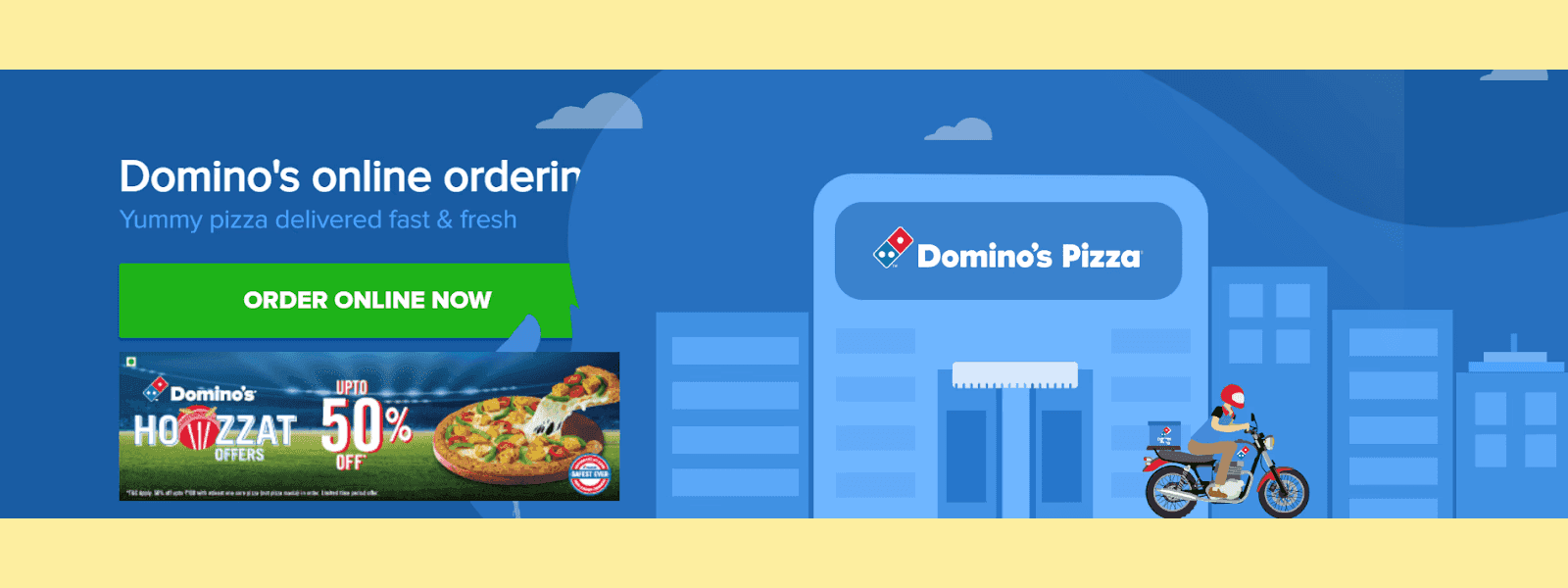
Customers know that what you are offering is also offered by your competitors: what they do not know is what sets you apart. Position your Unique Selling Proposition (USP) front and center. Do not wait for your visitor to do the heavy lifting; specify clearly why they should choose you over the competition, and they will convert more easily.

Source
In 2026, landing page conversion optimization programs that surface a segment-specific USP, not a generic one, consistently see higher engagement and lower bounce rates.
2. Offer Your Visitors Incentives
Nudge your visitors to take action. Techniques such as a 30-day free trial, free goodies on purchase, 50% off sales, a money-back guarantee, and customer testimonials can incentivize visitors. An 'About Us' page, FAQ section, and resource section with eBooks and articles can also help visitors learn more about you and encourage them to explore your offerings.
3. Alleviate Conversion Barriers
Identify and remove anything that comes in the way of your conversions. Use a landing page checklist to audit every element before launch. Common barriers to look out for include:
High page loading time
Unclear product descriptions
Zero product images
Use of overly complex language
Unclear pricing models
Requiring visitors to register
4. Foster a Safe Environment for Your Visitor
Even stellar incentives will not help if your platform triggers visitor discomfort. Things that can make visitors feel uncomfortable include the payment gateway, the font, and the color of your website design. For instance, if your website bombards visitors with pop-ups the second they land, you will likely lose them immediately. The solution: know your customers, run tests, and never compromise customer trust for a quick conversion. Use AI A/B testing to surface trust signal gaps faster than manual analysis can.
Common Myths About CRO Best Practices
Myth 1: Simply Integrate the Best Practices and You Will Be Fine
While CRO best practices put you on the right track, they are not a complete solution. Every brand, its marketing campaign, its audience, and its goals are unique. It is best to view each tip through your unique lens to see whether it furthers your specific conversion goals. Instead of blindly adopting best practices, customize your CRO process to your unique audience insights and real-time data to gain meaningful results.
Myth 2: CRO Does Not Work
CRO works but needs time and precision. If you abandon the process within weeks of not seeing substantial results, you are not giving it a fair chance. CRO is a lengthy undertaking that takes time to show results. The success of your CRO process also depends on the aspects you choose to test: if you are testing variables that are not affecting your conversion rates, you need to find the ones that are and test those. Review CRO case studies to see documented results from programs that committed to a full experimentation cycle.
Myth 3: Copying Competitors Will Work
Copying a competitor's variable such as landing page layout, checkout process, or menu is a bad idea for two reasons. First, the competitor's implementation may not be backed by data and analysis: it could have been random. Second, what works for your competitors will not necessarily work for you, even if your business model, audience, and messaging are similar. Create your own personalized CRO strategy and make only changes backed by solid data.
Myth 4: Your Tool Will Tell You When to Stop the Test
CRO tools are intuitive and useful, but they still need to be wielded by a well-informed operator who knows when and how to use them. You still need to understand basic A/B testing statistics to sidestep Type 1 (false positives) and Type 2 (false negatives) errors. Key points to keep in mind while running tests:
Test across two business cycles
Determine a fixed goal and sample size before you run tests
Consider external factors such as holidays and compounding variables
It is not possible to spot a trend before the test is complete: wait for it to run its full course before drawing conclusions
The common benchmark of 'two weeks' originated from tech giants like Google, Facebook, and Microsoft, for whom two weeks of data is measured in millions of interactions. Evaluate your own customer journey to determine whether two weeks is a suitable duration for your test.
Myth 5: Testing Will Confirm Opinions
A significant part of CRO is reducing the effects of cognitive biases in order to make fair, data-backed business decisions. The aim of any optimization process is to drive returns and improve efficiency: focusing on confirming a preconceived opinion contradicts that aim and prevents you from understanding how much you can truly optimize. Knowing the most common A/B testing mistakes before you start is the best protection against confirmation bias in your experimentation program.
Conclusion: Implement Best Practices for Long-Term Success
CRO is not a one-time undertaking but an ongoing exercise that requires you to constantly check in with your website and keep an eye on your metrics. The 15 best practice CRO tactics discussed above are designed to get you on the road to success.
In 2026, the programs that compound most reliably are those that connect their ad campaigns directly to PPC landing page optimization, ensuring every paid click lands on a personalized landing page built for that specific visitor's intent. See customer stories for documented results from teams that have implemented this approach at scale.
FAQs
How Does Ad Copy Influence Personalized Landing Page Content?
Ad copy influences personalized landing page content by signalling the visitor's intent, audience segment, and value expectation before they click. When the ad's headline, offer, and tone are mirrored on the landing page, message match is achieved. Platforms like Fibr AI read your ad copy and automatically generate personalized landing page variants that reflect the exact promise made in the ad, improving post-click conversion rate and reducing bounce rate.
What Is Landing Page Personalization and Why Does It Matter for CRO?
Landing page personalization means serving different headlines, copy, images, and CTAs to different visitors based on the ad, keyword, or audience segment that brought them to the page. Rather than one generic page for all traffic, personalized landing pages match the visitor's specific context and intent. Research shows this approach delivers up to 28% higher ROI for paid campaigns compared to static generic landing pages.
How Does Message Match Improve PPC Landing Page Optimization?
Message match is the alignment between what an ad promises and what the landing page delivers. When a visitor clicks an ad about a free trial and the landing page asks them to book a call, the mismatch increases bounce rate and reduces conversion. Strong message match in PPC landing page optimization directly improves Google Ad Quality Score and lowers cost-per-click alongside conversion rate.
How Does AI Landing Page Personalization Work in 2026?
AI landing page personalization uses machine learning to automatically create and serve page variants tailored to each visitor's traffic source, intent, and audience segment. In 2026, platforms like Fibr AI use AI agents to generate dynamic landing pages for every ad group, run continuous A/B tests, detect LLM-sourced traffic from ChatGPT and Perplexity via LLM-based personalization, and promote winning variants without developer involvement.
What CRO Tools Are Most Effective for Ad to Landing Page Matching in 2026?
The most effective CRO tools in 2026 combine behavioral analytics with AI-driven experimentation and ad to landing page matching. Fibr AI automates the full cycle: generating campaign-specific landing pages from ad copy, running multivariate tests, monitoring page health, and scaling winning experiences across audience segments. The result is compounding conversion rate improvement that generic CRO tools cannot match.




Ankur Goyal
CEO @ Fibr AI
Ankur Goyal, a visionary entrepreneur, is the driving force behind Fibr, a groundbreaking AI co-pilot for websites. With a dual degree from Stanford University and IIT Delhi, Ankur brings a unique blend of technical prowess and business acumen to the table. This isn't his first rodeo; Ankur is a seasoned entrepreneur with a keen understanding of consumer behavior, web dynamics, and AI. Through Fibr, he aims to revolutionize the way websites engage with users, making digital interactions smarter and more intuitive.
Read summarized version with
What Does It Take to Maximize Conversions in 2026?
Are you doing everything right for conversion rate optimization but still struggling to hit your targets? A marketer who does not leverage CRO techniques is living on borrowed time. Even those doing everything to optimize their conversion rates struggle to meet industry benchmarks, let alone surpass them.
In 2026, the challenge runs deeper than tweaking button colors or rewriting headlines. The biggest gap between ad spend and conversions lies in the journey from ad click to landing page. When a visitor clicks a paid ad, they arrive with a specific expectation set by that ad. If the landing page does not reflect the same promise, the visitor leaves. This is the message match problem, and it is now the highest-leverage conversion optimization opportunity available to most paid traffic programs.
Average CPCs across major ad categories have increased 12 to 18% year-on-year in 2026, making every wasted click more expensive than before. The most effective CRO programs in 2026 combine behavioral testing with landing page personalization that automatically adapts each page to match the specific ad, audience, and intent that drove the click. This article discusses the top 15 CRO best practices and busts some of the common myths surrounding CRO recommendations to ensure you are working with only the most reliable facts.
Key Takeaways
Before diving into the full list, here are the most important things to carry with you as you read through the 15 best practices:
Message match drives conversions more than any single page element. When your landing page headline mirrors the exact promise in your ad, bounce rate drops and conversion rate rises. In 2026, this is the highest-leverage single change available to most paid traffic programs.
Personalized landing pages consistently outperform generic ones. Research shows campaigns using ad to landing page matching deliver up to 28% higher ROI compared to sending all traffic to a single static page.
A/B testing without a clear hypothesis wastes time and budget. Every experiment must begin with a specific, data-backed hypothesis. Using a structured A/B testing framework ensures your tests generate compounding knowledge rather than one-off results.
Statistical significance is non-negotiable. Ending a test before reaching 95% confidence is one of the most common and costly A/B testing mistakes. Always define your sample size before launch, not after early trends appear.
Micro conversions matter as much as macro ones. Tracking intermediate actions like scroll depth, CTA clicks, and time on page helps you identify where the funnel breaks before the final conversion drops.
AI now automates what used to require developer support. In 2026, AI landing page personalization platforms like Fibr AI create, test, and optimize campaign-specific landing pages for every ad group without any engineering involvement.
CRO is a continuous loop, not a one-time fix. The best programs treat every test, win or loss, as a learning asset. Documenting results and building a structured test log is what separates programs that compound over time from those that plateau after the first few experiments.
Post-click personalization closes the gap ads alone cannot. Optimizing only the ad and leaving the landing page static means you are capturing the click but losing the conversion. Post-click personalization that adapts to each visitor's intent is the final mile of every paid campaign.
Top 15 Conversion Rate Optimization Best Practices
1. Understand Your Visitors to Recognize Funnel Leaks
To convince your visitors to take action, you need to know them first. Analyze your visitors to understand what makes them tick, their priorities, preferences, and pain points. Gaining insight into this will help you create a CRO strategy that actually works.
Leverage behavior analysis tools: Tools such as session recordings, heatmaps, and click maps help you understand where your visitors hesitate and where they engage the most. Analyzing this helps you uncover usability issues that might go unnoticed but are nonetheless jeopardizing your conversion rate.
Offer entry and exit feedback forms: Conducting surveys on your landing page helps you understand what is working with your visitors and what is not. For instance, you could ask your visitors to share the reason they are leaving in an exit survey to highlight what is pushing them away: culprits could be slow page loading time, high pricing, or a message match failure between the ad and the page.
For example: if a heatmap shows that visitors frequently reach your pricing page but then exit, adding an exit survey can reveal whether pricing or the pricing model's features are the problem. In 2026, landing page analytics platforms can surface these exit signals automatically and connect them to the specific ad campaign or audience segment that generated the traffic.
2. Specify Your Goals and Hypotheses
Have a clear goal and hypothesis for every test and experiment you run, backed by qualitative and quantitative data. Do not indulge in shoot-from-the-hip guesswork based on obvious assumptions. A well-defined hypothesis is crucial because it lays down what you are testing, why you are testing it, and how you will interpret the results. In 2026, structured A/B testing platforms with AI-generated hypotheses surface the highest-impact variable to test first based on live behavioral data, removing the guesswork at the start of every experiment.
3. Do Not Ignore Your Micro Conversions
Keep an eye on both your main goals and your intermediate metrics. Primary goals directly impact profitability, while intermediate metrics such as Click-Through Rate (CTR) and newsletter sign-ups are known as micro conversions. Micro conversions contribute to the main (macro) conversion goal at each stage of the funnel, so it is important to measure them. For instance, 'page visit,' 'add to cart,' and 'choose shipping' are all micro conversions for the final goal of 'complete purchase.' Tracking them enables you to find out why the main conversion is not taking place and make necessary tweaks. Review A/B testing metrics for the full list of KPIs to track across the funnel in 2026.
4. Do Not Disturb Your Tests Midway
It can be tempting to adjust tests based on preliminary data to save time and get results quickly, but it is not the greatest idea. It is best to keep your tests running at least until they reach a statistical significance of 95%. This helps ensure you do not make premature changes to a potentially efficient experiment. Consider leveraging online tools to calculate test duration and the significance of test results. Determining the right A/B testing sample size before launching is the single most important step to prevent this mistake.
5. Always Double Check Your Experiment
The results of your experiments will form the foundation of key business decisions, so it is important to be sure of the integrity of each experiment before you run it. Conduct quality checks for all experiments and tests before launch to ensure your goals are well-defined and you are tracking the right metrics. Be sure to confirm that your test is accurately rendered across devices and browsers. Do not ignore mobile user experience: 85% of consumers believe a company's website on mobile should be better than its desktop version.
6. Focus on Your Offerings' Functionality With Clarity
Do not fall down the rabbit hole of discussing everything about your offering. Keep the spotlight on your offering's primary functionality. Keep your offering's functionality the DNA of your landing page design, and optimize elements on your site with your offerings and target audience in mind. Be clear about the value and the action you want the visitor to take. Keep your landing page simple and your CTA above the fold. In 2026, personalized landing pages that surface the functionality most relevant to each visitor's traffic source consistently outperform generic pages on this dimension.
7. Keep an Eye Out for New Buyer Personas
Creating buyer personas is not a one-time action but an ongoing process. As your brand grows, it attracts a variety of customers that might not fit your initial personas. Not knowing them means not optimizing the customer journey for them, resulting in lost customers who might have converted with the right CTAs, landing pages, and messaging. Research finds that buyer persona-based content drives customer engagement six times higher when targeting cold leads. Explore your user base periodically, circulate surveys, and ask visitors for feedback to define existing personas and discover new ones. In 2026, AI audience segmentation tools can automatically identify emerging micro-segments from behavioral and traffic data before you notice them manually.
8. Leverage Customer Testimonials and Product Reviews
Online shopping has made recommendations and customer reviews more important than ever, as customers can no longer assess products before buying. Over 99.9% of customers read product reviews while shopping online, with 98% saying reviews are an essential consideration for purchase decisions, and 79% of consumers seek out websites with product reviews. Including customer testimonials and product reviews is therefore a must if you want to see your conversion rates soar. In 2026, the most effective post-click personalization programs automatically surface the most relevant testimonials for each visitor's industry or segment, rather than showing the same generic social proof to everyone.
9. Offer 'Buy Now' and 'Add to Cart' Options
Be sure to offer both 'Buy Now' and 'Add to Cart' options directly on your product page. The 'Buy Now' option allows visitors to make quick purchases without filling out forms and checking boxes. The 'Add to Cart' option allows users to continue browsing and confirm the order once they have decided on their purchases. This gives visitors the option for a quick checkout or a leisurely shopping experience.
10. Specify Return and Exchange Policies Clearly
Visitors will look for an exit strategy when they engage with a new brand. To foster a relationship of trust, ensure your return and exchange policies are not ambiguous, evasive, or unreasonable. Assure prospects that should they wish to backtrack, they have the choice to do so. Place these policies on every product page for easy accessibility.
11. Consider Live Chat Support
Consider integrating a 24/7 live chat solution on your website so visitors have a helping hand should they need it. Live chat can help them clear doubts and gain targeted information about your offerings, reducing deliberation time and driving conversions. According to ICMI, live chats result in a 48% increase in revenue per chat hour and a 40% rise in conversion rate. You can have live chat always available or triggered when a visitor has spent more than a minute on your site.
12. A/B Test CTAs
A/B testing (or split testing) involves comparing different versions of the same landing page, ad, or content to learn which one performs best. It is the 2nd most popular CRO technique for customer journey analysis, with 77% of businesses using it to test their websites, 60% their landing pages, 59% their emails, and 58% their paid search efforts. CTAs have become a popular element for testing: conduct A/B tests for varying versions of the same CTA to understand which one brings the most traffic or converts the most visitors. In 2026, personalized call to action text that mirrors the specific ad copy used to drive each visitor consistently outperforms generic CTAs across all segment types tested.
13. Record Your Learnings
Meticulous reporting and documentation of your CRO process are essential to its success. Jotting down your learnings, changes, and the effects of your adjustments helps ensure you do not waste time repeating errors. This documentation becomes an invaluable resource for improving how you conduct tests and gaining insight into top strategies. You can also share your findings with relevant stakeholders to gain new perspectives and foster a culture of experimentation. Review A/B testing results tracking best practices for 2026 to build a structured test log that compounds in value over time.
14. Retarget Your Visitors
When a visitor browses your offerings, adds products to the cart, and then disappears, retargeting them on other platforms can remind them they have unfinished business on your site. 77% of marketers use retargeting on Instagram and Facebook to win back potential customers, and 26% of users actually come back thanks to retargeting efforts. Leverage anonymous cookies to launch customized ads that your visitor can see on Instagram, TikTok, or LinkedIn to bring them back to complete the action they were already close to performing. When they return, campaign-specific landing pages that match the exact retargeting ad they clicked convert significantly better than sending them back to the same generic page they originally left.
15. Integrate the Right CRO Tool
Optimizing your website is a behemoth task and prone to errors if done manually. Delegating the task to a dedicated CRO tool helps your conversion rate soar. Fibr AI, for example, is an AI-powered personalization tool that helps you customize your visitor's post-click experience according to the ad, email, or keyword that brought them to you, with tailor-made dynamic landing pages ready in as little as 30 minutes. In 2026, Fibr AI's agentic layer also autonomously creates, deploys, and optimizes ad to landing page matching variants for every ad group without developer involvement.
Bonus: Key Principles of Effective CRO
The key principles of effective CRO include highlighting your value proposition, offering visitors incentives, removing conversion barriers, and establishing a safe environment for them. Here’s a detailed look at them.
1. Highlight Your Value Proposition
Customers know that what you are offering is also offered by your competitors: what they do not know is what sets you apart. Position your Unique Selling Proposition (USP) front and center. Do not wait for your visitor to do the heavy lifting; specify clearly why they should choose you over the competition, and they will convert more easily.
Source
In 2026, landing page conversion optimization programs that surface a segment-specific USP, not a generic one, consistently see higher engagement and lower bounce rates.
2. Offer Your Visitors Incentives
Nudge your visitors to take action. Techniques such as a 30-day free trial, free goodies on purchase, 50% off sales, a money-back guarantee, and customer testimonials can incentivize visitors. An 'About Us' page, FAQ section, and resource section with eBooks and articles can also help visitors learn more about you and encourage them to explore your offerings.
3. Alleviate Conversion Barriers
Identify and remove anything that comes in the way of your conversions. Use a landing page checklist to audit every element before launch. Common barriers to look out for include:
High page loading time
Unclear product descriptions
Zero product images
Use of overly complex language
Unclear pricing models
Requiring visitors to register
4. Foster a Safe Environment for Your Visitor
Even stellar incentives will not help if your platform triggers visitor discomfort. Things that can make visitors feel uncomfortable include the payment gateway, the font, and the color of your website design. For instance, if your website bombards visitors with pop-ups the second they land, you will likely lose them immediately. The solution: know your customers, run tests, and never compromise customer trust for a quick conversion. Use AI A/B testing to surface trust signal gaps faster than manual analysis can.
Common Myths About CRO Best Practices
Myth 1: Simply Integrate the Best Practices and You Will Be Fine
While CRO best practices put you on the right track, they are not a complete solution. Every brand, its marketing campaign, its audience, and its goals are unique. It is best to view each tip through your unique lens to see whether it furthers your specific conversion goals. Instead of blindly adopting best practices, customize your CRO process to your unique audience insights and real-time data to gain meaningful results.
Myth 2: CRO Does Not Work
CRO works but needs time and precision. If you abandon the process within weeks of not seeing substantial results, you are not giving it a fair chance. CRO is a lengthy undertaking that takes time to show results. The success of your CRO process also depends on the aspects you choose to test: if you are testing variables that are not affecting your conversion rates, you need to find the ones that are and test those. Review CRO case studies to see documented results from programs that committed to a full experimentation cycle.
Myth 3: Copying Competitors Will Work
Copying a competitor's variable such as landing page layout, checkout process, or menu is a bad idea for two reasons. First, the competitor's implementation may not be backed by data and analysis: it could have been random. Second, what works for your competitors will not necessarily work for you, even if your business model, audience, and messaging are similar. Create your own personalized CRO strategy and make only changes backed by solid data.
Myth 4: Your Tool Will Tell You When to Stop the Test
CRO tools are intuitive and useful, but they still need to be wielded by a well-informed operator who knows when and how to use them. You still need to understand basic A/B testing statistics to sidestep Type 1 (false positives) and Type 2 (false negatives) errors. Key points to keep in mind while running tests:
Test across two business cycles
Determine a fixed goal and sample size before you run tests
Consider external factors such as holidays and compounding variables
It is not possible to spot a trend before the test is complete: wait for it to run its full course before drawing conclusions
The common benchmark of 'two weeks' originated from tech giants like Google, Facebook, and Microsoft, for whom two weeks of data is measured in millions of interactions. Evaluate your own customer journey to determine whether two weeks is a suitable duration for your test.
Myth 5: Testing Will Confirm Opinions
A significant part of CRO is reducing the effects of cognitive biases in order to make fair, data-backed business decisions. The aim of any optimization process is to drive returns and improve efficiency: focusing on confirming a preconceived opinion contradicts that aim and prevents you from understanding how much you can truly optimize. Knowing the most common A/B testing mistakes before you start is the best protection against confirmation bias in your experimentation program.
Conclusion: Implement Best Practices for Long-Term Success
CRO is not a one-time undertaking but an ongoing exercise that requires you to constantly check in with your website and keep an eye on your metrics. The 15 best practice CRO tactics discussed above are designed to get you on the road to success.
In 2026, the programs that compound most reliably are those that connect their ad campaigns directly to PPC landing page optimization, ensuring every paid click lands on a personalized landing page built for that specific visitor's intent. See customer stories for documented results from teams that have implemented this approach at scale.
FAQs
How Does Ad Copy Influence Personalized Landing Page Content?
Ad copy influences personalized landing page content by signalling the visitor's intent, audience segment, and value expectation before they click. When the ad's headline, offer, and tone are mirrored on the landing page, message match is achieved. Platforms like Fibr AI read your ad copy and automatically generate personalized landing page variants that reflect the exact promise made in the ad, improving post-click conversion rate and reducing bounce rate.
What Is Landing Page Personalization and Why Does It Matter for CRO?
Landing page personalization means serving different headlines, copy, images, and CTAs to different visitors based on the ad, keyword, or audience segment that brought them to the page. Rather than one generic page for all traffic, personalized landing pages match the visitor's specific context and intent. Research shows this approach delivers up to 28% higher ROI for paid campaigns compared to static generic landing pages.
How Does Message Match Improve PPC Landing Page Optimization?
Message match is the alignment between what an ad promises and what the landing page delivers. When a visitor clicks an ad about a free trial and the landing page asks them to book a call, the mismatch increases bounce rate and reduces conversion. Strong message match in PPC landing page optimization directly improves Google Ad Quality Score and lowers cost-per-click alongside conversion rate.
How Does AI Landing Page Personalization Work in 2026?
AI landing page personalization uses machine learning to automatically create and serve page variants tailored to each visitor's traffic source, intent, and audience segment. In 2026, platforms like Fibr AI use AI agents to generate dynamic landing pages for every ad group, run continuous A/B tests, detect LLM-sourced traffic from ChatGPT and Perplexity via LLM-based personalization, and promote winning variants without developer involvement.
What CRO Tools Are Most Effective for Ad to Landing Page Matching in 2026?
The most effective CRO tools in 2026 combine behavioral analytics with AI-driven experimentation and ad to landing page matching. Fibr AI automates the full cycle: generating campaign-specific landing pages from ad copy, running multivariate tests, monitoring page health, and scaling winning experiences across audience segments. The result is compounding conversion rate improvement that generic CRO tools cannot match.
Ankur Goyal
CEO @ Fibr AI
Ankur Goyal, a visionary entrepreneur, is the driving force behind Fibr, a groundbreaking AI co-pilot for websites. With a dual degree from Stanford University and IIT Delhi, Ankur brings a unique blend of technical prowess and business acumen to the table. This isn't his first rodeo; Ankur is a seasoned entrepreneur with a keen understanding of consumer behavior, web dynamics, and AI. Through Fibr, he aims to revolutionize the way websites engage with users, making digital interactions smarter and more intuitive.