

Read summarized version with
Introduction
The future of marketing is here!
In 2024, the digital landscape has evolved, and so have the expectations of your audience. It's time to leave behind the one-size-fits-all approach and embrace the power of omnichannel marketing.
Picture this: a seamless journey for your customers, where they effortlessly transition from your website to social media, and from mobile to in-store experiences, all while basking in the cohesive charm of your brand message.
That's the magic of an omnichannel approach.
In 2024, customers crave consistency, personalization, and convenience. By strategically aligning your landing pages across different channels, you can create a symphony of engagement that resonates with your audience at every touchpoint.
Whether you're an e-commerce giant or a budding startup, an effective omnichannel landing page strategy is the key to unlocking growth and maximizing conversions. No more disjointed experiences or missed opportunities.
In this article, we're rolling out the red carpet to guide you through the steps of creating a winning omnichannel landing page strategy that stands the test of time.
Why Omnichannel Marketing Matters: Navigating the Evolving Customer Journey
Omnichannel marketing refers to delivering a cohesive user experience across all channels that matter in the buyer's journey, ensuring a seamless and integrated customer interaction.
Gone are the days of isolated marketing efforts, where your website, social media, and online stores operated in silos. The omnichannel approach is the way forward, providing a unified and integrated experience that immerses customers in your brand story from the first encounter to the final purchase.
Imagine a potential customer stumbling upon your ad on social media, intrigued by your product offering.
They click on the ad, and instead of being directed to a generic landing page, they are taken to a personalized page that echoes the ad's messaging.
The page is tailored to their preferences and history with your brand, making them feel like they've found exactly what they were looking for.
The seamless experience encourages them to add the product to their cart and proceed to checkout, where the process is smooth and hassle-free.
Tailoring your landing pages to match each channel's unique characteristics, audience, and expectations is vital for maximizing conversion rates.
By optimizing landing pages for each channel, you can ensure a consistent message across touchpoints while providing personalized experiences to your audience. This not only boosts conversion rates but also strengthens brand perception and fosters customer loyalty.
Crafting Your Omnichannel Landing Page Strategy: The Blueprint to Success
Now that we understand the significance of omnichannel marketing in 2024, it's time to delve into the nitty-gritty of crafting your winning landing page strategy. Let's break down the key steps that will pave the way for an irresistible omnichannel experience:
Understanding Your Audience
Understanding your audience is the cornerstone of a successful omnichannel landing page strategy. Take the time to conduct in-depth market research, analyze customer data, and gather insights from various touchpoints.
Understand their preferences, pain points, and buying behavior to craft personalized experiences that resonate deeply. By truly knowing your audience, you can tailor your landing pages to meet their specific needs, forging a strong connection that fosters loyalty and drives conversions.
The better you know your audience, the more effective and impactful your omnichannel strategy will be in captivating and converting customers across every channel. Consistency Across Channels
A seamless omnichannel experience hinges on maintaining consistency across all channels.
Ensure that your brand identity, messaging, and visuals are harmonized, whether it's on your website, social media platforms, emails, or in-store displays.
Consistency builds trust and familiarity, making customers feel more connected to your brand.
This unified approach fosters brand loyalty and encourages customers to engage confidently across different touchpoints, ultimately leading to increased conversions and long-lasting relationships.
Personalization at Every Step
Personalization is the heart of an effective omnichannel strategy. Leverage customer data to tailor landing pages to individual preferences and behavior.
From recommended products to exclusive offers based on past purchases, personalization enhances the customer experience and drives engagement.
By understanding each customer's unique journey and anticipating their needs, you can create a captivating experience that fosters brand loyalty and boosts conversions. Embrace the power of personalization to make every interaction with your brand a delightful and memorable one.
Responsive and Mobile-Optimized
In the age of mobile dominance, your landing pages must be responsive and optimized for various devices.A seamless experience on smartphones and tablets is essential for keeping customers engaged and driving conversions. Mobile optimization ensures that your brand remains accessible and user-friendly, regardless of the device they use to interact with you.
With a mobile-responsive approach, you can capture and retain the attention of on-the-go customers, enhancing their journey and increasing the likelihood of successful conversions.
Integrate Social Proof and User Reviews
Social proof plays a pivotal role in building trust and credibility. Integrate customer testimonials, ratings, and reviews into your landing pages to showcase the positive experiences of others.
This powerful form of social validation instills confidence in potential customers and propels them to take action.
Social proof helps you create a sense of authenticity that strengthens your brand's reputation and fosters a community of satisfied customers.
Streamlined Checkout Process
Cart abandonment is a common challenge faced by e-commerce businesses. A streamlined and intuitive checkout process is essential for minimizing drop-offs and maximizing conversions.
Ensure that the checkout flow is simple, secure, and optimized for a seamless transaction.
By reducing friction and eliminating unnecessary steps, you create a smooth and hassle-free experience that encourages customers to complete their purchase with confidence. Make the checkout process a breeze and watch as your conversion rates soar, turning hesitant shoppers into delighted customers.
Data-Driven Optimization
An omnichannel landing page strategy is not a one-time endeavor. Regularly analyze performance data, track customer behavior, and gather insights from various channels to identify areas of improvement. Data-driven optimization ensures that your strategy remains relevant and effective as customer preferences evolve.
By leveraging data-driven insights, you can continually fine-tune your landing pages to cater to changing customer needs and preferences, staying ahead of the competition and fostering long-term success.
Fibr: Your Omnichannel Success Partner
In the pursuit of crafting a winning omnichannel landing page strategy, the right tools and technologies can make all the difference. That's where Fibr comes into the picture! Fibr is the ultimate landing page builder that empowers brands to create personalized and contextualized landing pages in seconds.
With Fibr, you can optimize every step of your conversion funnel, from capturing attention to driving action. It helps you enable a seamless and connected experience for your customers across multiple channels, ensuring a cohesive journey that resonates with them at every touchpoint.
From personalized recommendations to exclusive offers and a streamlined checkout process, Fibr's robust features equip your brand to conquer the digital realm with unparalleled success.
In the dynamic world of 2024, embracing omnichannel marketing and harnessing the power of Fibr can elevate your brand to new heights. So, let's make 2024 the year your brand shines brightly with a winning omnichannel landing page strategy. Embrace the future of marketing and unlock the full potential of your brand with Fibr today!


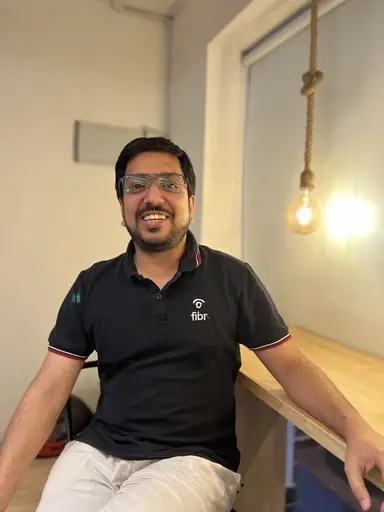
Ankur Goyal
CEO @ Fibr AI
Ankur Goyal, a visionary entrepreneur, is the driving force behind Fibr, a groundbreaking AI co-pilot for websites. With a dual degree from Stanford University and IIT Delhi, Ankur brings a unique blend of technical prowess and business acumen to the table. This isn't his first rodeo; Ankur is a seasoned entrepreneur with a keen understanding of consumer behavior, web dynamics, and AI. Through Fibr, he aims to revolutionize the way websites engage with users, making digital interactions smarter and more intuitive.
Read summarized version with
Introduction
The future of marketing is here!
In 2024, the digital landscape has evolved, and so have the expectations of your audience. It's time to leave behind the one-size-fits-all approach and embrace the power of omnichannel marketing.
Picture this: a seamless journey for your customers, where they effortlessly transition from your website to social media, and from mobile to in-store experiences, all while basking in the cohesive charm of your brand message.
That's the magic of an omnichannel approach.
In 2024, customers crave consistency, personalization, and convenience. By strategically aligning your landing pages across different channels, you can create a symphony of engagement that resonates with your audience at every touchpoint.
Whether you're an e-commerce giant or a budding startup, an effective omnichannel landing page strategy is the key to unlocking growth and maximizing conversions. No more disjointed experiences or missed opportunities.
In this article, we're rolling out the red carpet to guide you through the steps of creating a winning omnichannel landing page strategy that stands the test of time.
Why Omnichannel Marketing Matters: Navigating the Evolving Customer Journey
Omnichannel marketing refers to delivering a cohesive user experience across all channels that matter in the buyer's journey, ensuring a seamless and integrated customer interaction.
Gone are the days of isolated marketing efforts, where your website, social media, and online stores operated in silos. The omnichannel approach is the way forward, providing a unified and integrated experience that immerses customers in your brand story from the first encounter to the final purchase.
Imagine a potential customer stumbling upon your ad on social media, intrigued by your product offering.
They click on the ad, and instead of being directed to a generic landing page, they are taken to a personalized page that echoes the ad's messaging.
The page is tailored to their preferences and history with your brand, making them feel like they've found exactly what they were looking for.
The seamless experience encourages them to add the product to their cart and proceed to checkout, where the process is smooth and hassle-free.
Tailoring your landing pages to match each channel's unique characteristics, audience, and expectations is vital for maximizing conversion rates.
By optimizing landing pages for each channel, you can ensure a consistent message across touchpoints while providing personalized experiences to your audience. This not only boosts conversion rates but also strengthens brand perception and fosters customer loyalty.
Crafting Your Omnichannel Landing Page Strategy: The Blueprint to Success
Now that we understand the significance of omnichannel marketing in 2024, it's time to delve into the nitty-gritty of crafting your winning landing page strategy. Let's break down the key steps that will pave the way for an irresistible omnichannel experience:
Understanding Your Audience
Understanding your audience is the cornerstone of a successful omnichannel landing page strategy. Take the time to conduct in-depth market research, analyze customer data, and gather insights from various touchpoints.
Understand their preferences, pain points, and buying behavior to craft personalized experiences that resonate deeply. By truly knowing your audience, you can tailor your landing pages to meet their specific needs, forging a strong connection that fosters loyalty and drives conversions.
The better you know your audience, the more effective and impactful your omnichannel strategy will be in captivating and converting customers across every channel. Consistency Across Channels
A seamless omnichannel experience hinges on maintaining consistency across all channels.
Ensure that your brand identity, messaging, and visuals are harmonized, whether it's on your website, social media platforms, emails, or in-store displays.
Consistency builds trust and familiarity, making customers feel more connected to your brand.
This unified approach fosters brand loyalty and encourages customers to engage confidently across different touchpoints, ultimately leading to increased conversions and long-lasting relationships.
Personalization at Every Step
Personalization is the heart of an effective omnichannel strategy. Leverage customer data to tailor landing pages to individual preferences and behavior.
From recommended products to exclusive offers based on past purchases, personalization enhances the customer experience and drives engagement.
By understanding each customer's unique journey and anticipating their needs, you can create a captivating experience that fosters brand loyalty and boosts conversions. Embrace the power of personalization to make every interaction with your brand a delightful and memorable one.
Responsive and Mobile-Optimized
In the age of mobile dominance, your landing pages must be responsive and optimized for various devices.A seamless experience on smartphones and tablets is essential for keeping customers engaged and driving conversions. Mobile optimization ensures that your brand remains accessible and user-friendly, regardless of the device they use to interact with you.
With a mobile-responsive approach, you can capture and retain the attention of on-the-go customers, enhancing their journey and increasing the likelihood of successful conversions.
Integrate Social Proof and User Reviews
Social proof plays a pivotal role in building trust and credibility. Integrate customer testimonials, ratings, and reviews into your landing pages to showcase the positive experiences of others.
This powerful form of social validation instills confidence in potential customers and propels them to take action.
Social proof helps you create a sense of authenticity that strengthens your brand's reputation and fosters a community of satisfied customers.
Streamlined Checkout Process
Cart abandonment is a common challenge faced by e-commerce businesses. A streamlined and intuitive checkout process is essential for minimizing drop-offs and maximizing conversions.
Ensure that the checkout flow is simple, secure, and optimized for a seamless transaction.
By reducing friction and eliminating unnecessary steps, you create a smooth and hassle-free experience that encourages customers to complete their purchase with confidence. Make the checkout process a breeze and watch as your conversion rates soar, turning hesitant shoppers into delighted customers.
Data-Driven Optimization
An omnichannel landing page strategy is not a one-time endeavor. Regularly analyze performance data, track customer behavior, and gather insights from various channels to identify areas of improvement. Data-driven optimization ensures that your strategy remains relevant and effective as customer preferences evolve.
By leveraging data-driven insights, you can continually fine-tune your landing pages to cater to changing customer needs and preferences, staying ahead of the competition and fostering long-term success.
Fibr: Your Omnichannel Success Partner
In the pursuit of crafting a winning omnichannel landing page strategy, the right tools and technologies can make all the difference. That's where Fibr comes into the picture! Fibr is the ultimate landing page builder that empowers brands to create personalized and contextualized landing pages in seconds.
With Fibr, you can optimize every step of your conversion funnel, from capturing attention to driving action. It helps you enable a seamless and connected experience for your customers across multiple channels, ensuring a cohesive journey that resonates with them at every touchpoint.
From personalized recommendations to exclusive offers and a streamlined checkout process, Fibr's robust features equip your brand to conquer the digital realm with unparalleled success.
In the dynamic world of 2024, embracing omnichannel marketing and harnessing the power of Fibr can elevate your brand to new heights. So, let's make 2024 the year your brand shines brightly with a winning omnichannel landing page strategy. Embrace the future of marketing and unlock the full potential of your brand with Fibr today!
Ankur Goyal
CEO @ Fibr AI
Ankur Goyal, a visionary entrepreneur, is the driving force behind Fibr, a groundbreaking AI co-pilot for websites. With a dual degree from Stanford University and IIT Delhi, Ankur brings a unique blend of technical prowess and business acumen to the table. This isn't his first rodeo; Ankur is a seasoned entrepreneur with a keen understanding of consumer behavior, web dynamics, and AI. Through Fibr, he aims to revolutionize the way websites engage with users, making digital interactions smarter and more intuitive.
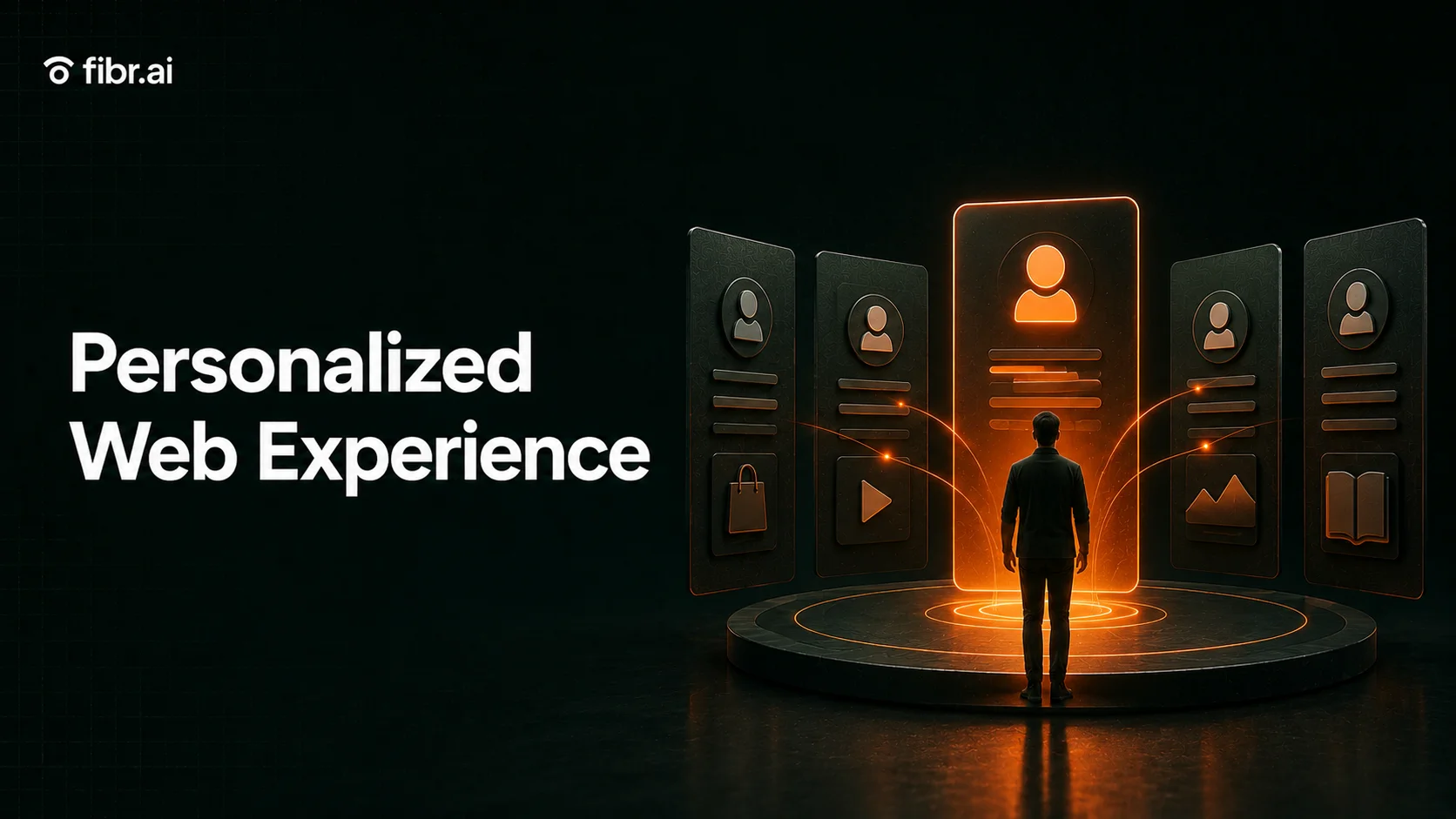

Is your website starting every visit from zero?
Is your website starting every visit from zero?
Is your website starting every visit from zero?
Fibr gives your website the intelligence it needs right from the start
Fibr AI gives your website the
intelligence it needs right from the start